How to Fix Nematodes in Aquarium
You’ve just noticed tiny, wriggling creatures in your aquarium and your heart skips a beat. Are these nematodes in aquarium water dangerous to your fish? The truth is, most worms you see are completely harmless—and some are even beneficial. But certain parasitic nematodes can devastate your tank if left untreated. This guide cuts through the confusion with precise identification techniques and proven treatment protocols used by professional aquarists. You’ll learn exactly which worms demand immediate action and which ones actually help maintain your tank’s ecosystem.
Most aquarium owners overreact when they spot worms, often wasting time and money on unnecessary treatments. Understanding the difference between free-living detritus worms and dangerous parasitic nematodes saves your fish from stress and your wallet from unnecessary expenses. By the end of this guide, you’ll confidently identify what’s swimming in your tank and know exactly which steps to take—whether that’s doing nothing at all or launching an immediate treatment protocol.
Spotting the Red Thread: When Nematodes Signal a Parasitic Emergency
That thin red or pink thread protruding from your fish’s anus isn’t just unsightly—it’s a medical emergency. Camallanus worms, the most visible parasitic nematodes in aquariums, create this distinctive symptom that demands immediate action. Unlike harmless free-living nematodes that wiggle freely in the water column, these parasites anchor themselves in your fish’s intestines, feeding on blood and nutrients while releasing larvae directly into your tank.
How to Confirm a Camallanus Infestation
Watch for these critical signs that distinguish parasitic nematodes from harmless tank residents:
- Visible worms measuring 1-2 cm long protruding from the anal vent (resembling red fishing line)
- Severe wasting where fish maintain head size but lose body mass (“skinny disease”)
- Lethargic behavior with fish resting at the bottom, refusing food, or rubbing against objects
- Pale, stringy feces that hang from the fish rather than sinking immediately
If you spot even one red thread emerging from a fish, isolate that fish immediately. Left untreated, Camallanus infections kill fish within weeks as the parasites multiply and cause internal damage. The good news? With proper treatment, survival rates exceed 90% when caught early.
Differentiating Harmless vs. Harmful Worms in 60 Seconds
Save yourself unnecessary panic with this quick identification method:
- Check location first: Worms swimming freely on glass or substrate = harmless. Worms attached to fish = emergency.
- Assess color: White/translucent worms (1-4mm) moving in S-shaped patterns = beneficial detritus worms. Red/pink/brown threads = parasitic nematodes.
- Observe fish behavior: Healthy, active fish with visible worms = no problem. Lethargic, wasting fish = immediate action needed.
This simple triage system prevents wasted effort on harmless microfauna while ensuring dangerous parasites get urgent attention. Remember—seeing free-living nematodes actually indicates a healthy, established tank ecosystem doing its job breaking down waste.
Your Step-by-Step Emergency Treatment Protocol for Parasitic Nematodes
When you’ve confirmed parasitic nematodes in your aquarium, time is critical. The following treatment plan has rescued thousands of fish from Camallanus and Capillaria infections when implemented correctly. Water treatments alone won’t work—these internal parasites require medication delivered directly through food.
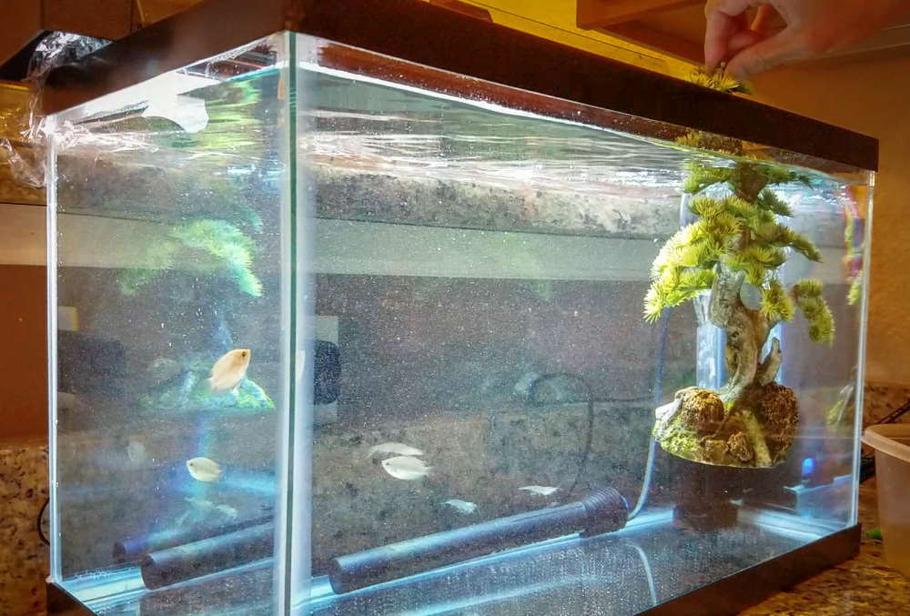
Setting Up Your Hospital Tank Properly
Move infected fish within 24 hours of confirming parasites to prevent spread. Your hospital tank needs:
- Bare bottom (no substrate where larvae can hide)
- Simple sponge filter (no chemical media)
- Heater maintaining original tank temperature
- Dim lighting to reduce stress
Critical mistake to avoid: Using carbon or Purigen in the hospital tank, which will absorb medication. Remove all chemical filtration before adding medication.
Preparing and Administering Effective Medicated Food
The only reliable treatment for internal nematodes involves medicated food containing fenbendazole or levamisole. Here’s how to prepare it correctly:
- Gel food base: Dissolve 1 packet unflavored gelatin in ¼ cup hot water
- Medication ratio: Add 1/16 teaspoon fenbendazole powder (Panacur) or equivalent levamisole
- Food incorporation: Mix in high-quality flake food until paste forms
- Feeding protocol: Refrigerate, cut into cubes, feed once daily for 7 days
Pro tip: If fish refuse medicated food, try soaking frozen bloodworms in dissolved medication for 30 minutes before feeding. The red color often triggers feeding response in sick fish.
Eliminating Nematode Larvae from Your Main Tank
While treating fish, you must destroy the next generation of parasites in your display tank:
- Vacuum substrate aggressively daily during treatment (larvae settle in gravel)
- Perform 50% water changes every other day using dechlorinated water at matching temperature
- Remove all decorations and soak in 1:20 bleach solution for 15 minutes, then rinse thoroughly
Warning: Complete substrate replacement isn’t necessary unless infestation is severe. Focus instead on thorough vacuuming and maintaining pristine water conditions to support fish recovery.
Preventing Future Nematode Outbreaks: The Quarantine Protocol That Works
The single most effective defense against parasitic nematodes requires discipline but takes minimal time. Professional breeders and public aquariums use this same protocol to maintain parasite-free systems.
The 6-Week Quarantine System That Stops Parasites Before They Start

Every new fish, plant, or live food must undergo this process before entering your main tank:
- Bare-bottom tank with sponge filter and heater (no substrate where parasites hide)
- Daily observation for 3 weeks watching for any signs of illness
- Preventative medicated feeding during weeks 4-6 using fenbendazole food
- Full 6-week minimum regardless of apparent health (many parasites have long incubation)
Time-saving shortcut: Run your quarantine tank at 82-84°F (28-29°C) to accelerate parasite life cycles, potentially reducing quarantine time while ensuring safety.
Breaking the Nematode Lifecycle Through Tank Maintenance
Harmless free-living nematodes become problematic only when overfeeding creates population explosions. Fix this with:
- The 30-second feeding rule: Only offer food your fish can consume in 30 seconds
- Weekly deep cleaning: Vacuum 30-50% of substrate during water changes
- Filter maintenance: Rinse media in removed tank water (never tap water) to preserve beneficial bacteria
Critical insight: A few free-living nematodes are actually beneficial—they’re nature’s cleanup crew. Only take action when you see thousands swarming the glass after lights out, indicating severe overfeeding.
When to Relax: Understanding Beneficial Nematodes in Your Ecosystem
That cloudy swarm of tiny white worms after turning off your aquarium lights? They’re working for you, not against you. Free-living nematodes form an essential part of your tank’s microfauna, breaking down waste into forms plants and bacteria can use. These microscopic cleanup crew members:
- Consume decaying matter before it pollutes water
- Provide natural food for shrimp, fry, and small fish
- Indicate a mature, balanced ecosystem (new tanks rarely have them)
- Disappear naturally when overfeeding stops
Expert note: Seeing these worms spike temporarily after adding new plants or substrate is normal—they’re processing the extra organic material. Only intervene if they persist for more than two weeks despite reduced feeding.
Final Action Plan for Nematode Management Success
Don’t waste another moment worrying about harmless tank residents while real threats go unnoticed. Your immediate next steps should be:
- Identify first, treat second: Use the location test (on fish = emergency, in water = harmless)
- Confirm parasitic infections with the red thread check before medicating
- Treat only with medicated food—water treatments won’t touch internal parasites
- Implement strict quarantine for all new additions (the ultimate prevention)
- Adjust feeding practices to maintain healthy free-living nematode populations
Remember that most nematodes in aquarium environments are beneficial ecosystem engineers, not invaders. The rare parasitic exceptions require prompt, targeted action—but panic helps no one. By following these precise identification methods and treatment protocols, you’ll maintain a thriving aquarium where worms work for you, not against you. Your fish will reward you with vibrant health and activity when you respond appropriately to what’s really happening in your tank.