Goldfish Temperature Shock Symptoms & Solutions
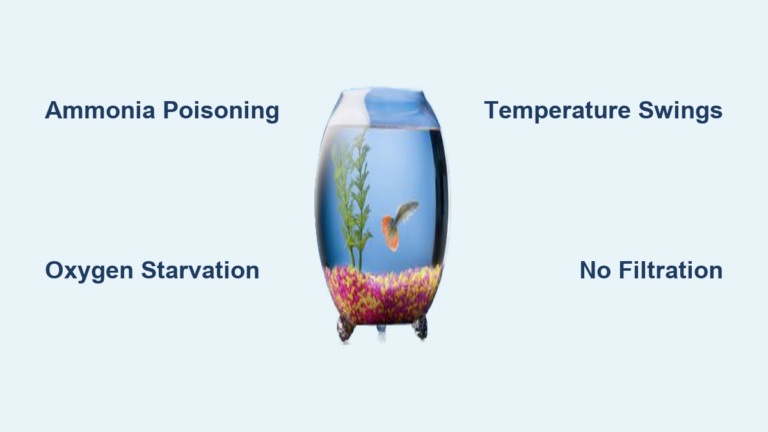
Your goldfish glides listlessly to the bottom of the tank, its gills flaring rapidly. Just hours ago, it was darting eagerly toward food. What changed? A sudden temperature shift could be causing life-threatening goldfish temperature shock symptoms. This silent emergency strikes when water changes occur too quickly, overwhelming your fish’s ability to adapt. Goldfish are cold-blooded creatures whose entire physiology depends on stable water conditions – when temperatures shift more than 2°F per hour, their metabolism can’t keep up.
Temperature shock can turn fatal within hours if you don’t recognize the signs. Unlike diseases that develop gradually, these symptoms appear suddenly after water changes, equipment failures, or seasonal transitions. Understanding goldfish temperature shock symptoms means the difference between a full recovery and losing your aquatic companion. This guide reveals exactly what to look for and how to respond when temperature changes threaten your goldfish’s life.
Why Goldfish Can’t Handle Sudden Temperature Changes
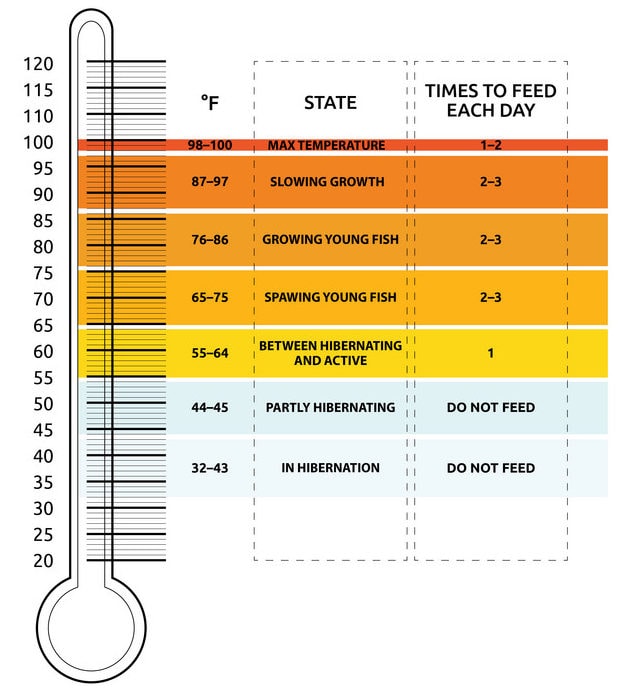
Goldfish metabolism operates like a precision instrument tuned to specific temperatures. When water shifts more than 5°F in under an hour, their cold-blooded bodies can’t adapt quickly enough. Fancy varieties like Orandas and Ranchus suffer most, with ideal temperatures between 65-72°F (18-22°C). Their delicate physiology makes them vulnerable to even small fluctuations that single-tail goldfish like Comets might withstand.
Your goldfish’s gills, circulatory system, and nervous system all depend on stable temperatures. During cold shock, blood vessels constrict while heart rates drop dramatically. In heat shock, metabolic rates skyrocket, demanding more oxygen than their gills can process. This physiological chaos explains why temperature shock symptoms appear so suddenly and severely compared to other fish illnesses.
Critical Temperature Thresholds That Cause Shock
Dangerous Change Rates by Goldfish Type
- Fancy goldfish: >5°F (2.8°C) per hour = critical shock risk
- Common/Comet goldfish: >10°F (5.5°C) per hour = dangerous threshold
- All goldfish: >15°F (8°C) change in 24 hours = potentially fatal
Your thermometer readings tell only part of the story. The speed of temperature change matters more than the final number. A gradual 10°F shift over 12 hours rarely causes problems, while the same change in 30 minutes could be deadly. This explains why emergency water changes often trigger goldfish temperature shock symptoms even when the final temperature seems acceptable.
Mild Temperature Shock Symptoms: Early Warning Signs You Can’t Ignore
When your goldfish experiences a 5-10°F temperature shift, these subtle symptoms appear first:
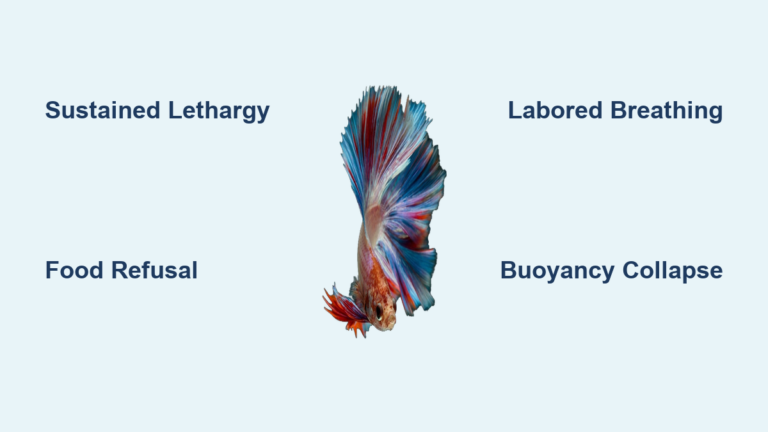
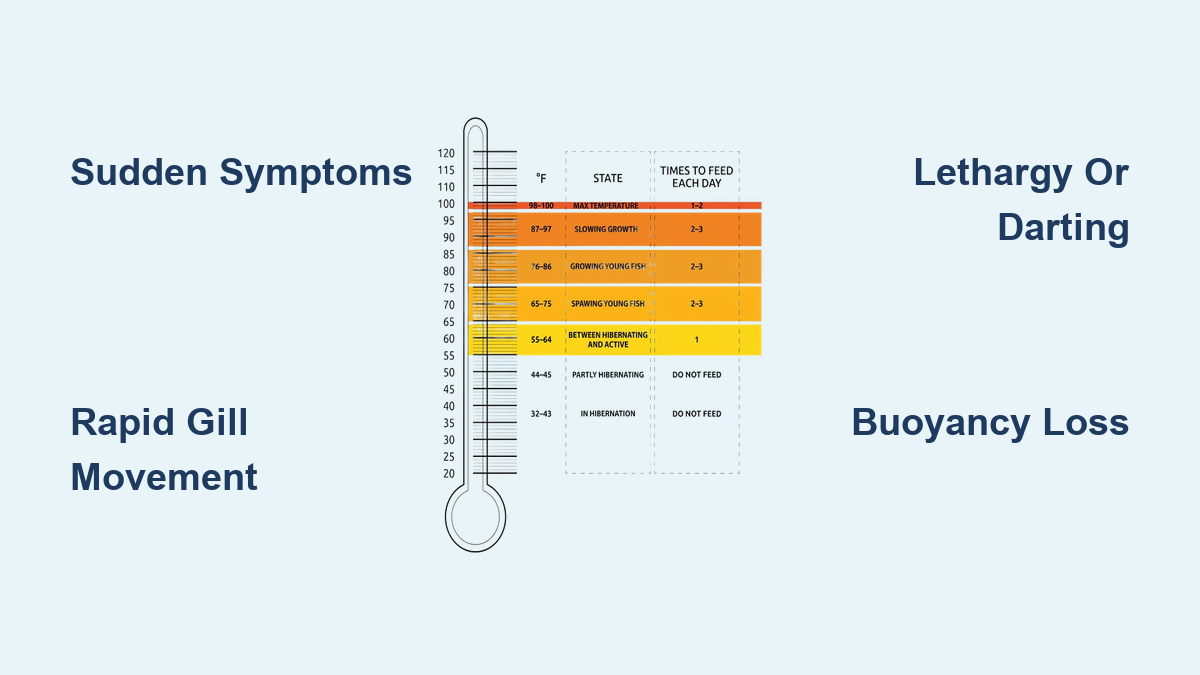
- Lethargy or unusual hyperactivity – Your fish may hover motionless or dart erratically
- Clamped fins – Fins pulled tightly against the body instead of flowing naturally
- Rapid gill movement – Breathing faster than normal while stationary
- Color fading – Vibrant oranges and reds appearing washed out
- Loss of appetite – Ignoring food they’d normally devour
These mild goldfish temperature shock symptoms often get mistaken for normal behavior. But when they follow water changes or equipment adjustments, they signal your fish is struggling to adapt. Catching these early signs gives you the best chance for full recovery without complications.
Severe Temperature Shock: Life-Threatening Symptoms Requiring Immediate Action
A 15°F+ temperature change triggers critical symptoms demanding emergency response:
- Complete buoyancy loss – Floating upside down or stuck on the bottom
- Neurological seizures – Spinning uncontrollably or jerking violently
- Coma-like state – Unresponsive to stimuli, lying motionless
- Gill necrosis – Pale or white gill tissue indicating oxygen deprivation
- Organ failure signs – Bloated abdomen or visible internal discoloration
When you see these severe goldfish temperature shock symptoms, every minute counts. Your fish’s organs are shutting down as their metabolism fails to cope with the thermal stress. This isn’t something that will “fix itself” – immediate intervention becomes a race against time to save your fish’s life.
How Temperature Shock Differs From Other Goldfish Diseases
Temperature shock mimics many illnesses, but three key differences help you diagnose correctly:
- Sudden onset – Symptoms appear within minutes to hours of temperature change
- Multiple fish affected – All tank inhabitants show similar symptoms simultaneously
- No visible pathogens – Absence of white spots (ich), velvet, or fungal growth
Unlike bacterial infections that develop over days, goldfish temperature shock symptoms strike fast after environmental changes. If your fish shows rapid breathing after a water change but no white spots, temperature shock is likely the culprit rather than gill disease. This distinction prevents wasted time treating the wrong problem during a critical window.
Emergency First Aid for Temperature-Shocked Goldfish: Step-by-Step Protocol
Immediate Actions (First 30 Minutes)
- Stop the temperature change – Turn off heaters or chillers causing the problem
- DO NOT make sudden corrections – Further rapid changes compound the damage
- Increase oxygenation – Add an airstone immediately to combat reduced oxygen absorption
- Isolate severely affected fish – Move to a hospital tank if multiple fish show different symptoms
Gradual Temperature Correction Protocol
- For cold shock: Increase 1°F (0.5°C) per hour maximum toward ideal range
- For heat shock: Decrease 1°F (0.5°C) per hour maximum
- Stop 2°F short of target temperature to allow natural equalization
- Use floating ice packs (for heat shock) or warm water bottles (for cold shock)
Never rush this process – correcting too quickly causes secondary shock. Your patience during this phase determines survival chances more than any medication.
Fancy vs. Common Goldfish: Different Temperature Shock Vulnerabilities
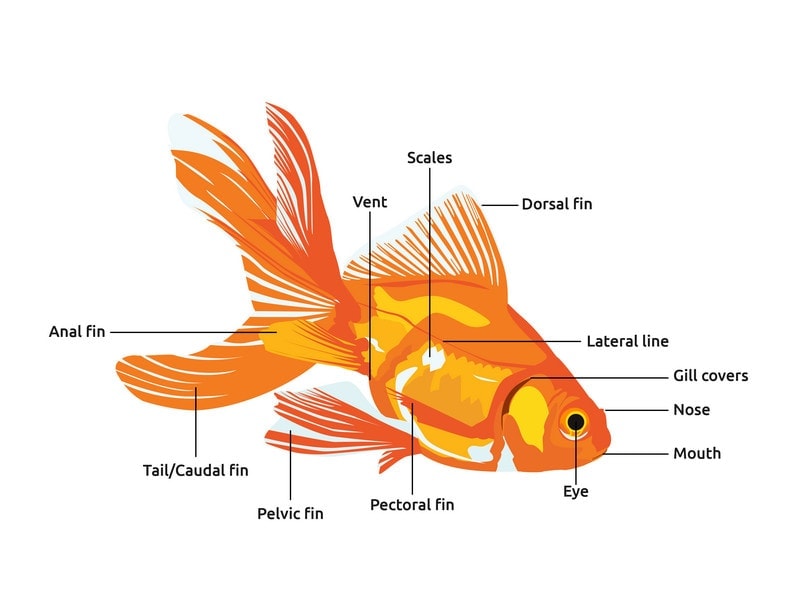
Fancy goldfish varieties need special attention during temperature emergencies:
- Swim bladder sensitivity – More prone to permanent buoyancy issues after shock
- Slower recovery – May take 2-3 times longer to regain normal function
- Hand-feeding requirements – Often need individual feeding during recovery
- Higher mortality risk – 40% greater fatality rate compared to hardier varieties
When your Oranda or Ranchu shows goldfish temperature shock symptoms, assume the worst-case scenario. Their compressed body shapes make them particularly vulnerable to temperature-induced organ stress. Separate them from faster-swimming varieties that might outcompete them for food during recovery.
Preventing Future Temperature Shocks During Water Changes
Most temperature shock incidents happen during routine maintenance. Follow this foolproof protocol:
- Temperature matching – New water must be within 1°F of tank water
- Slow addition – Pour replacement water over a plate to avoid disturbing substrate
- Gradual introduction – Add new water over 20-30 minutes, not all at once
- Double-checking – Verify temperatures with two thermometers before proceeding
Your thermometer is your most important tool during water changes. That “quick 50% water change” could kill your fish if the new water is just 8°F different. Investing in a digital thermometer with high/low alarms prevents these deadly mistakes before they happen.
Long-Term Recovery Care After Goldfish Temperature Shock
The first 72 hours determine whether your goldfish makes a full recovery:
- First 24 hours: Check every 2 hours, perform 10% temperature-matched water changes
- Days 2-3: Introduce stress coat supplements, begin light feeding of soaked pellets
- Days 4-7: Monitor for secondary infections, gradually increase feeding
Even after symptoms disappear, your goldfish remains vulnerable for weeks. Their immune system stays suppressed, making them prime targets for ich or bacterial infections. Continue daily observation for at least 30 days post-incident, watching for delayed symptoms like chronic swim bladder issues.
Temperature shock leaves invisible scars. Goldfish that survive severe episodes often develop long-term vulnerabilities to stress and disease. By recognizing goldfish temperature shock symptoms early and responding with precise care, you transform a potential death sentence into a full recovery. The key lies in understanding that your fish’s survival depends not on the final temperature, but on the speed of change – keeping adjustments to 1°F per hour saves lives when emergencies strike.