Does Liquid Carbon Work in Aquariums?
If you’ve ever battled black brush algae in your planted tank while wondering “does liquid carbon work aquarium” setups, you’re not alone. Countless aquarists have purchased bottles of “liquid carbon” expecting a CO₂ alternative, only to discover confusing results. The reality is these products contain glutaraldehyde—a potent biocide—not dissolved carbon dioxide. This guide cuts through marketing myths with chemical facts and practical protocols so you can finally use this tool effectively without risking your tank’s ecosystem.
The term “liquid carbon” is dangerously misleading. While sold as plant fertilizer, these solutions primarily function as targeted algae weapons. Understanding this distinction prevents costly mistakes in your planted aquarium. By the end of this guide, you’ll know exactly when and how to dose glutaraldehyde safely, which algae types respond best, and why it’s not the CO₂ replacement many claim.
Why Your Liquid Carbon Isn’t Actually Carbon for Plants
The most critical misunderstanding about “liquid carbon” stems from its name. What you’re buying is primarily a 1.5% glutaraldehyde solution—a chemical used in medical sterilization—not dissolved CO₂ gas. This naming strategy creates dangerous expectations about its function.
The Glutaraldehyde Reality Check
Glutaraldehyde (C₅H₈O₂) is a 5-carbon dialdehyde compound that functions as a powerful biocide. When added to aquarium water, it attacks cell membranes and proteins. Plants metabolize trace amounts as carbon, but the quantity is negligible—dosing 5ml in a 50-gallon tank adds just 0.225 ppm carbon compared to the 20-30 ppm from proper CO₂ injection. Calling it “liquid carbon” is like labeling bleach “liquid oxygen” because it contains oxygen atoms.
How Marketing Created the Misconception
Manufacturers emphasize glutaraldehyde’s carbon content (60% by molecular weight) while downplaying its primary algaecidal function. The truth? Plants receive microscopic carbon benefits, but the dramatic visual improvements aquarists report come from reduced algae competition, not enhanced carbon uptake. When black brush algae disappears from your hardscape, your plants appear greener—not because they’re getting more carbon, but because they’re no longer being smothered.
The Real Algae-Killing Power of Liquid Carbon

Liquid carbon’s most consistent, scientifically supported function is eliminating specific stubborn algae types. This isn’t theoretical—thousands of aquarists document rapid results when targeting problem areas.
Which Algae Types Respond Best to Treatment
Glutaraldehyde’s biocidal properties hit certain algae harder than others due to their cellular structure:
- Black Brush Algae (BBA): Shows dramatic die-off within 48-72 hours of spot treatment
- Staghorn Algae: Typically clears within 3-5 days of daily dosing
- Hair Algae: Responds well to both spot treatment and maintenance dosing
- Green Dust Algae: Requires consistent dosing over 1-2 weeks
Pro Tip: Algae with high surface-area-to-volume ratios (like BBA’s filamentous structure) absorb more glutaraldehyde, explaining their rapid die-off compared to plants with protective cuticles.
Why Plants Tolerate It Better Than Algae
Plants withstand standard doses because their complex cellular systems and protective barriers provide greater resistance than algae. Think of it like how human skin tolerates diluted bleach for disinfection while bacteria die instantly. However, this tolerance has limits—overdosing causes “melt” in sensitive species as glutaraldehyde overwhelms their cellular defenses.
Stop Guessing Doses: The Exact Math Behind Liquid Carbon
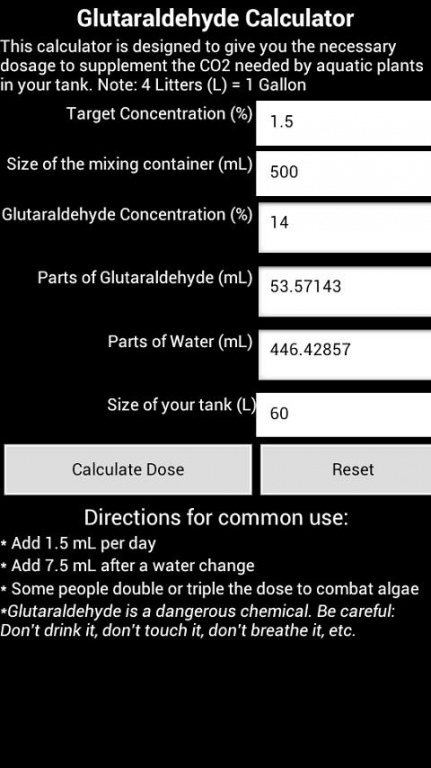
Dosing glutaraldehyde properly requires understanding what those milliliters actually mean for your tank’s chemistry. Most product instructions lack this critical context.
Why 1ml per 50 Gallons Is Scientifically Sound
A standard 1.5% glutaraldehyde solution contains 15mg of active ingredient per ml. In a 50-gallon (190L) tank, this delivers 0.079 ppm glutaraldehyde—enough to disrupt algae metabolism without immediately harming most plants. Always start with half-dose (0.5ml/50 gal) for the first week to observe tank-specific reactions. Increase gradually only if no negative effects appear after 7 days.
How Little Carbon It Actually Adds to Your Tank
Let’s calculate the carbon contribution: 1ml of product adds 9mg of elemental carbon to 50 gallons. This increases water carbon concentration by a mere 0.045 ppm—less than what fish respiration provides hourly. Pressurized CO₂ maintains 20-30 ppm, making liquid carbon’s carbon contribution irrelevant for growth stimulation. Any plant improvement comes from reduced algae competition, not carbon nutrition.
Spot Treatment Protocol for Stubborn Black Brush Algae
When BBA clings to driftwood or slow-growing plants, spot treatment delivers dramatic results without risking the entire tank. This method works when standard dosing fails.
Step-by-Step Guide to Eradicating BBA in 72 Hours
- Perform 50% water change and turn off filtration (prevents dilution)
- Use a 1ml syringe to apply product directly onto BBA patches for 5-10 seconds
- Wait 15 minutes before restarting filter (allows chemical contact time)
- Repeat daily for 2-3 days until algae turns pink/white and detaches
Visual Cue: Successful treatment shows algae changing from black to pinkish-white within 24 hours as cells die. Shrimp will often consume the dead algae within days.
What to Watch For: Signs of Success vs. Plant Damage
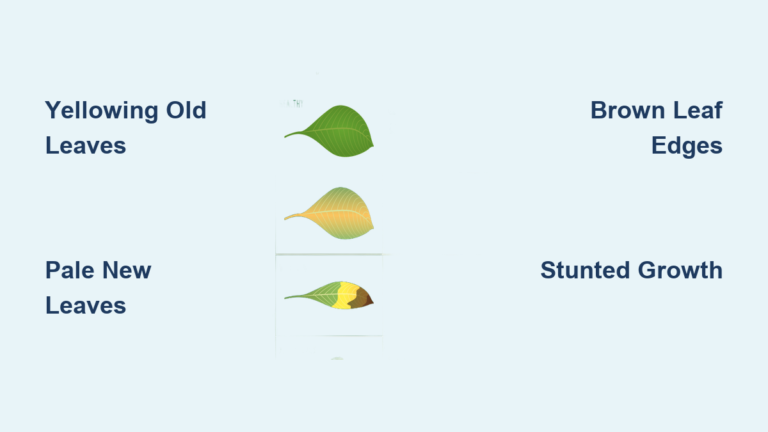
Within 48 hours, BBA should begin detaching from surfaces. If plants show yellowing or melting (especially Vallisneria), reduce next dose by 50%. Never spot-treat fast-growing stem plants—they absorb too much glutaraldehyde too quickly. For Anubias or Bucephalandra with BBA, treat every 3 days until algae disappears (usually 2-3 treatments).
Critical Safety Steps Before Dosing Liquid Carbon
Glutaraldehyde is a hazardous chemical requiring serious safety protocols—far beyond typical aquarium products.
Protecting Yourself from Glutaraldehyde Hazards
Always wear nitrile gloves and eye protection when handling. The chemical causes severe skin irritation and respiratory issues if inhaled. Work in a well-ventilated area—never above your tank where fumes can concentrate. Store in original container away from children and pets; 1.5% solutions remain toxic despite marketing claims of being “all-natural.”
Testing Tank Compatibility Without Risking Livestock
Before full dosing, test on a small tank section: Add quarter-dose to one corner and monitor for 24 hours. Check sensitive plants (Riccia, mosses) for bleaching. If shrimp show erratic swimming, perform immediate 50% water change. Never mix with hydrogen peroxide—this creates dangerous chemical reactions.
When Liquid Carbon Fails: Troubleshooting Common Mistakes
Most “liquid carbon doesn’t work” complaints stem from incorrect usage—not product failure. These are the top errors I see in aquarium forums.
Why Your Algae Isn’t Responding to Treatment
If algae persists after 7 days of proper dosing, check these common issues:
– Overdilution: Dosing with filter running reduces contact time
– Wrong algae type: Blue-green algae (cyanobacteria) requires different treatment
– Insufficient light: Algae may return if plants can’t outcompete regrowth
– Nutrient imbalance: High phosphates fuel algae despite treatment
Pro Tip: Combine liquid carbon with 20% weekly water changes and reduced lighting to prevent regrowth after initial treatment.
The Dangerous Mix You’re Probably Making
Adding liquid carbon while running carbon filtration wastes product—activated carbon removes glutaraldehyde. Similarly, dosing during water changes with tap water high in chlorine/chloramine reduces effectiveness. Always dose after water changes when filtration resumes.
Liquid Carbon vs. Pressurized CO2: The Real Comparison Chart

| Feature | Pressurized CO₂ System | Liquid “Carbon” Products |
|---|---|---|
| Primary Function | High-efficiency carbon fertilizer | Targeted algaecide |
| Carbon Delivery | 20-30 ppm (optimal for growth) | 0.045 ppm (negligible) |
| Algae Impact | Indirect (via plant competition) | Direct kill (within hours) |
| Best Tank Type | High-light, high-tech planted | Low-tech, algae-prone tanks |
| Cost | $150-$500+ setup | $15-$25 per bottle |
| Maintenance | Daily monitoring, refills | Simple daily dosing |
When to Choose Each System for Your Tank Type
Use liquid carbon if you have a low-tech tank (<2 wpg lighting) battling BBA or hair algae. It’s the perfect algae control solution without complex equipment. Choose pressurized CO₂ only if you’re running high-tech setups (>3 wpg) with demanding plants like HC Cuba or dwarf hairgrass—liquid carbon won’t provide enough carbon for explosive growth.
Final Verdict: The Truth About Liquid Carbon’s Effectiveness
Does liquid carbon work in aquariums? Absolutely—but not how you’ve been led to believe. It’s a highly effective algaecide for specific problem algae, not a CO₂ replacement. In low-tech tanks, it provides marginal carbon benefits while significantly reducing algae competition. For high-tech setups, it’s valuable only as a spot treatment tool.
Critical Takeaway: Never dose liquid carbon expecting CO₂-level growth results. Instead, use it strategically as your first line of defense against stubborn BBA and hair algae. Always start with half-dose, monitor sensitive plants, and remember: the product’s real value lies in what it kills (algae), not what it feeds (plants). By understanding glutaraldehyde’s true function, you’ll transform this controversial product from a confusing mystery into a precise tool for algae control.