Best Aquarium Wood Types (2026 Guide)
Your aquascape’s foundation hinges on selecting the perfect wood—but with so many different types of aquarium wood flooding the market, choosing becomes overwhelming. A single wrong pick can trigger floating logs, murky tannin stains, or rapid decay that destabilizes your entire ecosystem. I’ve watched hobbyists waste weeks battling biofilm on Spiderwood or replacing disintegrating Grapevine, all because they didn’t know which wood matched their tank’s needs. This guide cuts through the noise by comparing seven proven wood varieties based on real aquarist experiences. You’ll learn exactly which type solves your specific challenge—whether you need shrimp-friendly tunnels, instant-sinking anchors, or tannin-free clarity.
Understanding these different types of aquarium wood isn’t just about aesthetics; it directly impacts pH stability, biofilm growth, and even fish behavior. Some woods like Mopani create blackwater conditions ideal for tetras, while Manzanita keeps water crystal clear for planted tanks. Skip this step, and you’ll fight constant maintenance battles. But choose wisely, and your wood becomes a living ecosystem component that nurtures shrimp, shelters fry, and ages gracefully for years. Let’s dive into the seven types that deliver results—plus exactly how to prep them.
Stop Floating Spiderwood: Secure Intricate Root Systems in 7 Days
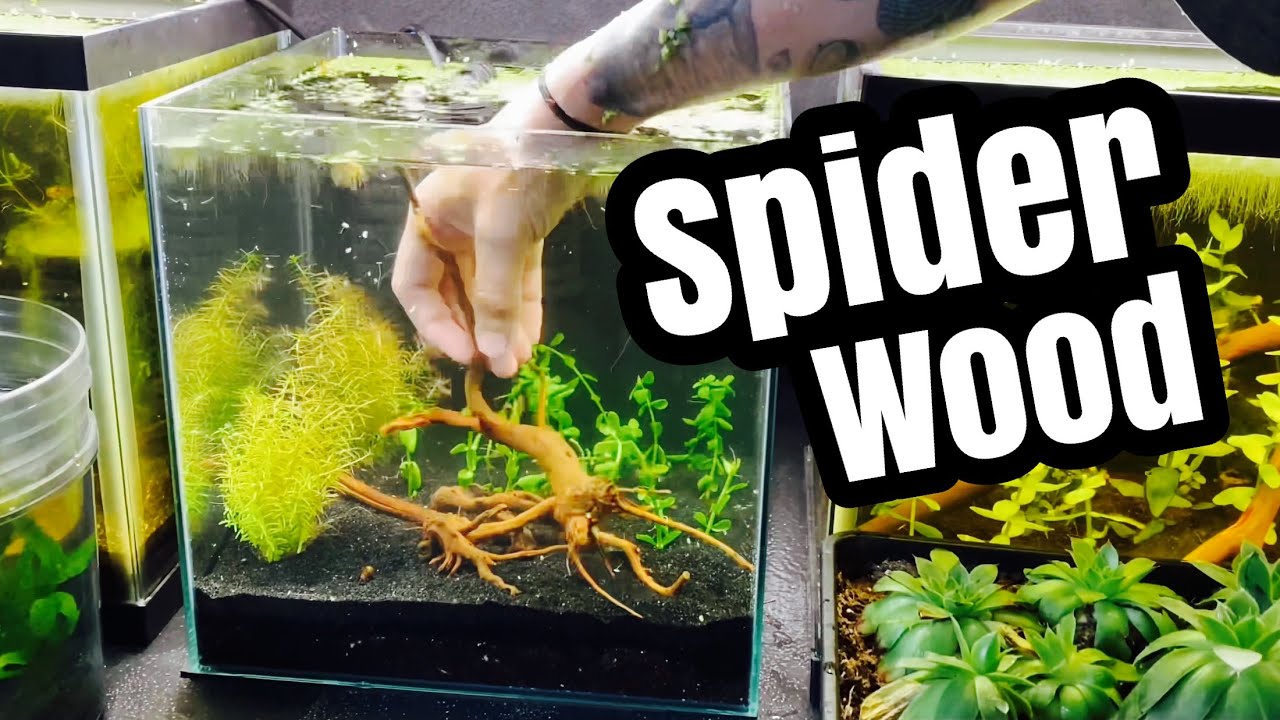
Spiderwood’s gnarled, web-like branches create mesmerizing hardscapes that mimic natural riverbed roots—perfect for nano tanks or shrimp hideouts. But its lightweight structure means it stubbornly floats for 7+ days after submersion, frustrating beginners who expect instant results. Worse, its nutrient-rich composition triggers harmless but unsightly white biofilm during cycling, often mistaken for harmful mold.
Fix these issues fast:
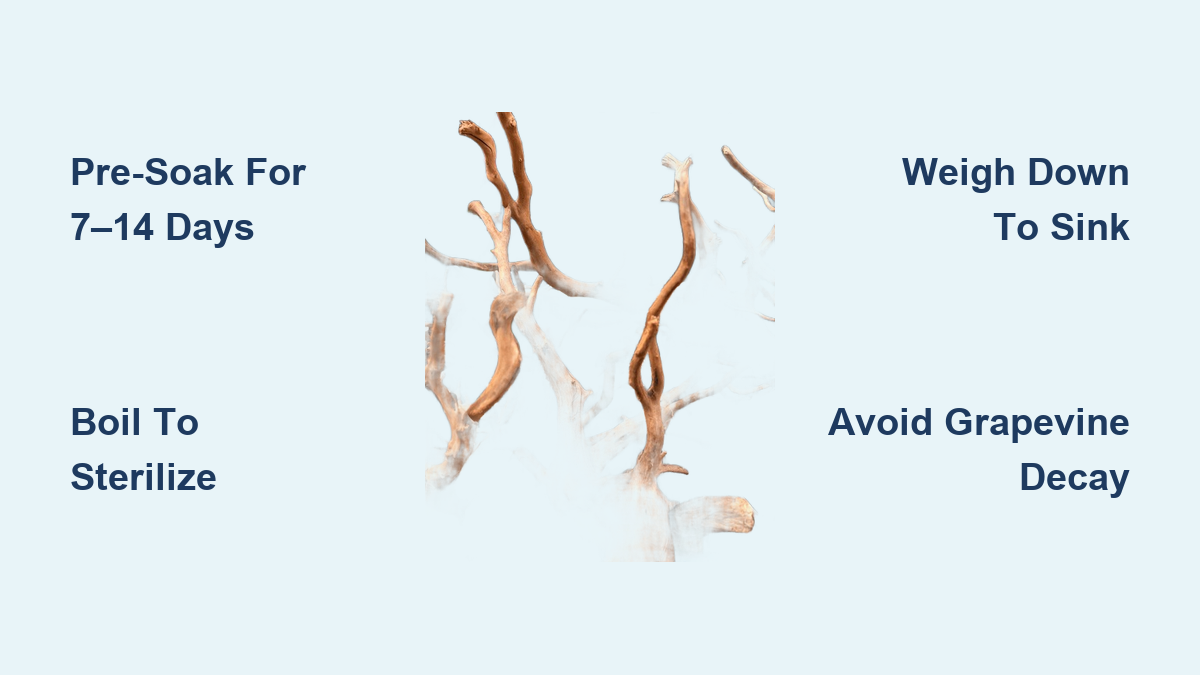
– Pre-soak for 10–14 days in a bucket (changing water daily) to saturate the wood and reduce initial biofilm.
– Weigh it down with smooth river rocks or aquarium-safe weights until fully waterlogged.
– Embrace the biofilm—it’s a natural food source for shrimp and snails, disappearing in 2–3 weeks as tank inhabitants consume it.
Never skip soaking; rushing causes prolonged floating and excessive biofilm that clouds water. Once settled, Spiderwood’s intricate tunnels provide unmatched breeding spots for shrimp and microfish.
Anchor Your Tank with Mopani: The Immediate-Sinking, Tannin-Rich Choice
Mopani wood’s dense, two-toned logs sink the second they hit water—making it the ultimate “set-and-forget” centerpiece for busy aquarists. Its heavyweight structure (often 2–3x denser than other woods) creates dramatic focal points without gluing or weighting, while heavy tannin release instantly mimics Amazonian blackwater conditions. This is ideal for fish like angelfish or discus that thrive in soft, acidic water.
Maximize benefits while minimizing stains:
– Boil chunks for 30 minutes pre-installation to sterilize and leach 50% of tannins upfront.
– Pair with activated carbon or Purigen in your filter to control the tea-colored tint if desired.
– Avoid scrubbing—its smooth surface resists biofilm, but aggressive cleaning damages its natural texture.
Unlike Spiderwood, Mopani rarely develops mold and lasts 5+ years without decay. Just ensure pieces are fully cured; raw Mopani can leach excessive tannins for months.
Boost Shrimp Breeding with Cholla Wood’s Porous Tunnels

Cholla wood’s hollow, ribbed tubes aren’t just decorative—they’re functional shrimp nurseries. The porous surface cultivates biofilm (a critical shrimp food source), while narrow tunnels protect shrimplets from predators. This cactus skeleton is the #1 choice for Caridina or Neocaridina breeders, but its soft structure means it breaks down in 6–18 months—requiring replacement.
Use it right:
– Pre-soak for 3 days to purge dust and reduce initial floatation (it’s buoyant when dry).
– Place vertically near the substrate to catch falling food, creating a natural “feeding station.”
– Never boil—excessive heat cracks its delicate structure, accelerating decay.
Watch for soft spots: if pieces bend easily or feel spongy, remove them to prevent water fouling. For long-term setups, combine Cholla with durable Mopani for balance.
Create Sculptural Hardscapes with Manzanita’s Minimal-Tannin Branches
Manzanita’s smooth, reddish branches offer gallery-worthy elegance with minimal hassle—releasing almost no tannins and resisting biofilm better than Spiderwood. Its thin, twisting forms create vertical drama in tall tanks, while the dense wood sinks within 48 hours without weighting. This makes it perfect for high-visibility planted tanks where water clarity is non-negotiable.
Pro tips for flawless results:
– Rinse thoroughly to remove sawdust, then soak 3–5 days to eliminate residual tannins.
– Arrange branches upward like a tree canopy to guide plant growth toward light.
– Avoid sharp edges that could injure fish; lightly sand rough spots with 220-grit paper.
Unlike grapevine, Manzanita won’t rot for 3+ years. But skip outdoor-sourced pieces—they may contain pesticides toxic to invertebrates.
Build Classic Aquascapes with Malaysian Driftwood’s Gnarled Logs
Malaysian driftwood’s thick, dark logs deliver timeless riverbed authenticity with zero floatation—their density ensures instant sinking. These knotted, textured pieces last decades without decay, making them ideal for cichlid tanks or large aquascapes needing a permanent anchor. They release moderate tannins (less than Mopani), gently lowering pH for species like Rams or Corydoras.
Prep for instant integration:
– Scrub crevices with a soft toothbrush to dislodge trapped debris.
– Soak 1–2 weeks to reduce initial tannin release; replace water every 2 days.
– Place flat-side down on the substrate to prevent rocking—its irregular shape can be unstable.
Avoid boiling large pieces (they won’t fit in pots); instead, use a turkey baster to blast dirt from holes.
Achieve Modern Aesthetics with Ghostwood’s Bleached, Sandblasted Finish
Ghostwood transforms ordinary Manzanita or driftwood into a striking minimalist statement through sandblasting—a process that strips bark to reveal pale, smooth grain. Its bone-white color contrasts vividly against green plants and dark substrates, ideal for iwagumi-style or Dutch aquascapes. Unlike raw woods, it releases negligible tannins and resists biofilm thanks to its polished surface.
Manage its unique aging process:
– Expect gradual browning over 3–6 months as it absorbs tank pigments—this is normal.
– Wipe weekly with an algae magnet to maintain its clean look (dirt clings less to smooth surfaces).
– Never use chemical sealants; they disrupt water chemistry despite marketing claims.
Ghostwood’s durability matches Manzanita, but its light color highlights debris—position it away from high-waste zones like filter outflows.
Avoid Rapid Decay: Why Grapevine Wood Fails in Long-Term Setups

Grapevine wood’s twisted, vine-like texture tempts beginners with its rustic charm—but it’s a ticking time bomb. Unlike aquarium-safe hardwoods, grapevine rapidly softens underwater, often crumbling within months and fouling water with decaying matter. Hobbyists report cloudy water, pH crashes, and fungal blooms within 4–8 weeks of installation.
If you must use it:
– Limit to temporary displays (≤2 months) like photo contests.
– Boil rigorously for 1 hour pre-installation to kill mold spores.
– Immediately remove if pieces feel spongy or develop white fuzz.
Skip wild-collected grapevine entirely—it may carry pesticides. For safe alternatives, choose spiderwood for similar texture without the decay risk.
Match Aquarium Wood Types to Your Tank Size and Inhabitants
Your tank’s dimensions and residents dictate the best wood—ignoring this causes disasters. In nano tanks under 10 gallons, Spiderwood’s fine branches prevent overcrowding, while large cichlid tanks need Malaysian driftwood’s unmovable mass. Shrimp breeders require Cholla’s tunnels, but betta keepers should avoid sharp-edged woods that snag fins.
Use this quick-reference guide:
– Shrimp tanks: Cholla (for breeding) + Mopani (for stability)
– Planted tanks: Manzanita or Ghostwood (low tannins = no algae spikes)
– Blackwater setups: Mopani (high tannins) or Malaysian driftwood (moderate)
– Large fish: Malaysian driftwood (no small pieces to swallow)
Never force wood into cramped spaces—leave 20% tank volume free for swimming. And always quarantine new wood for 72 hours to check for pests.
Stop Tannin Stains: Proven Preparation Steps for Every Wood Type
Tannins aren’t inherently bad—they benefit soft-water species—but excessive staining frustrates beginners. The key is controlled leaching before wood enters your display tank. Skipping prep turns your aquarium into murky tea within hours.
Follow this universal process:
1. Scrub wood with a stiff brush under running water to remove loose debris.
2. Soak in a bucket for 7–14 days, changing water every 48 hours (reduces tannins by 80%).
3. Boil if possible (15–60 mins depending on size) to sterilize and accelerate tannin release.
4. Rinse until water runs clear—cloudiness means more soaking is needed.
For stubborn tannins, add activated carbon to your filter during soaking. Never skip step 2; boiling alone won’t leach deep-seated tannins.
Choosing the right among the different types of aquarium wood transforms your tank from a maintenance nightmare into a thriving ecosystem. Prioritize Spiderwood for intricate shrimp scapes, Mopani for instant blackwater setups, or Manzanita for pristine planted tanks—and always prep thoroughly. Remember: the best wood meets your tank’s specific needs, not just Instagram trends. Once placed, monitor for 2 weeks as biofilm naturally fades and tannins stabilize. Ready to elevate your aquascape? Start with one piece of properly prepped wood, and watch your underwater world come alive.