Crayfish Aquarium Setup Guide
Nothing ruins the excitement of getting a new crayfish faster than discovering it’s escaped your tank or struggling to survive in unsuitable conditions. A proper crayfish aquarium setup isn’t just about adding water to a container—it’s creating a specialized ecosystem that mimics their natural habitat while addressing their unique biological needs. Unlike fish, crayfish have specific requirements for space, security, and water chemistry that, when overlooked, lead to stress, failed molts, and escape attempts. In this guide, you’ll learn exactly how to build a thriving crayfish habitat from scratch, avoid common setup mistakes that kill crayfish, and create an environment where your crustacean will flourish for years.
Why Your Crayfish Needs a 20+ Gallon Tank (Not 10)
That “10-gallon minimum” advice you’ve seen online? It’s dangerously misleading for most crayfish species. While dwarf crayfish can survive in 5-10 gallons, standard species like Electric Blue or Red Claw crayfish require 20 gallons as an absolute starting point. Larger tanks provide critical benefits smaller enclosures simply cannot match: they dilute waste more effectively, resulting in stable water parameters that prevent toxic ammonia spikes. The extra space also reduces territorial aggression—crayfish are naturally territorial, and cramped conditions trigger stress behaviors like excessive digging, hiding, and escape attempts.
You’ll notice immediate behavioral differences in a properly sized tank. Crayfish will actively explore their environment rather than constantly defending a tiny territory. For Red Claw crayfish, which can reach 12 inches, upgrade to 30+ gallons immediately. Remember: water quality stability directly correlates with tank size. A 20-gallon tank might need weekly 25% water changes, while a cramped 10-gallon could require changes every few days to maintain safe conditions.
How to Position Your Crayfish Tank for Success
Location matters more than you think. Place your tank away from direct sunlight to prevent algae blooms and temperature fluctuations. Ensure the stand can support the full weight (a 20-gallon tank weighs approximately 225 pounds when filled). Most importantly, position it where you’ll see it daily—this makes monitoring behavior and water conditions part of your routine.
Securing Your Crayfish Tank Against Escape Attempts
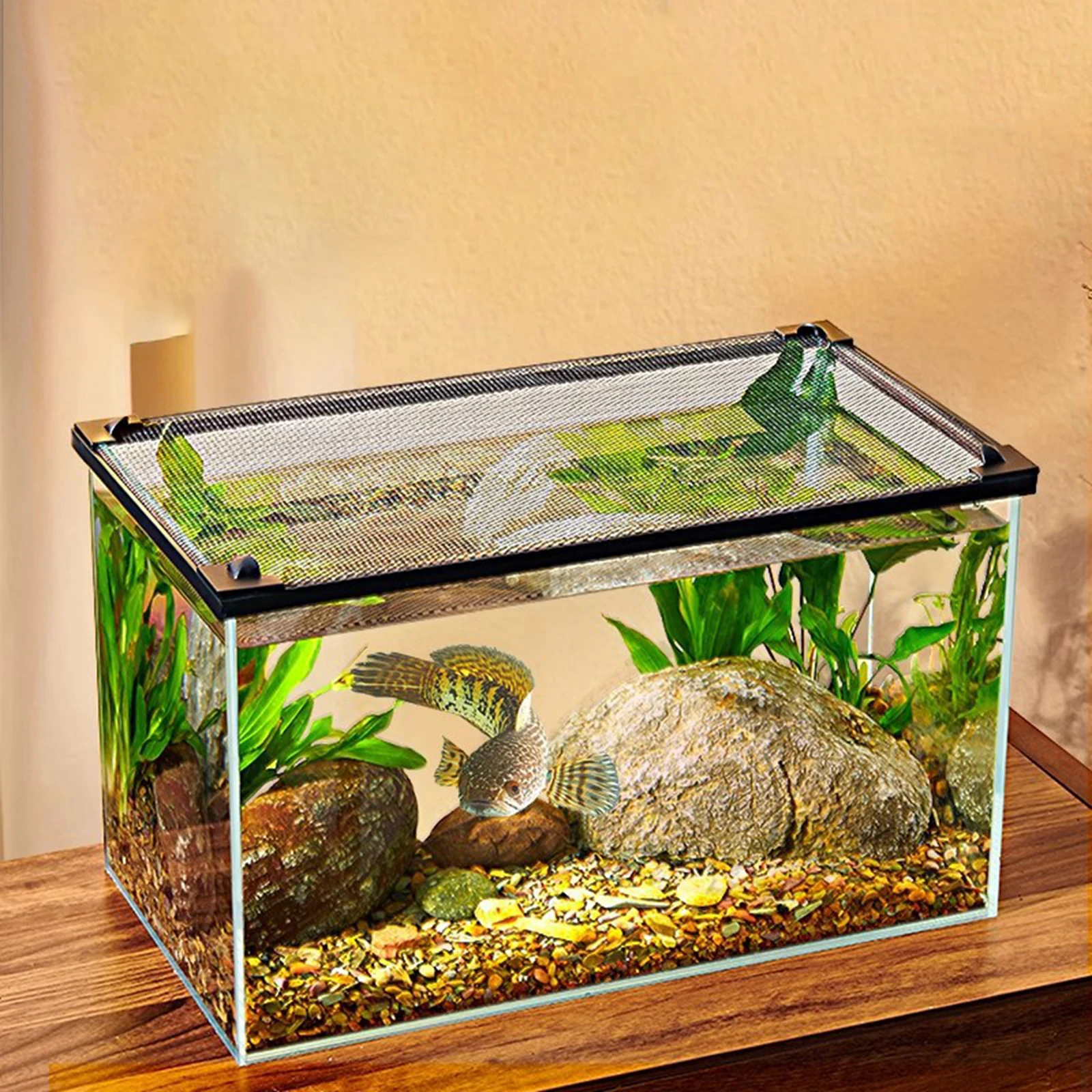
If your crayfish disappears overnight, you’ve experienced what every crayfish owner fears: the great escape. Crayfish are master climbers with claws designed to grip glass, filter tubing, and plants. A secure lid isn’t optional—it’s the most critical component of your crayfish aquarium setup. Use a tight-fitting glass or acrylic lid with no gaps larger than a pencil’s width. For additional security, place mesh over any filter or heater access points.
Critical safety step: Maintain water levels 2-3 inches below the tank rim. This simple measure prevents crayfish from using the water surface as a launchpad. Check lid security weekly—crayfish will exploit even the smallest gap when molting season approaches or when stressed by tank conditions.
Setting Up the Perfect Water Parameters for Crayfish
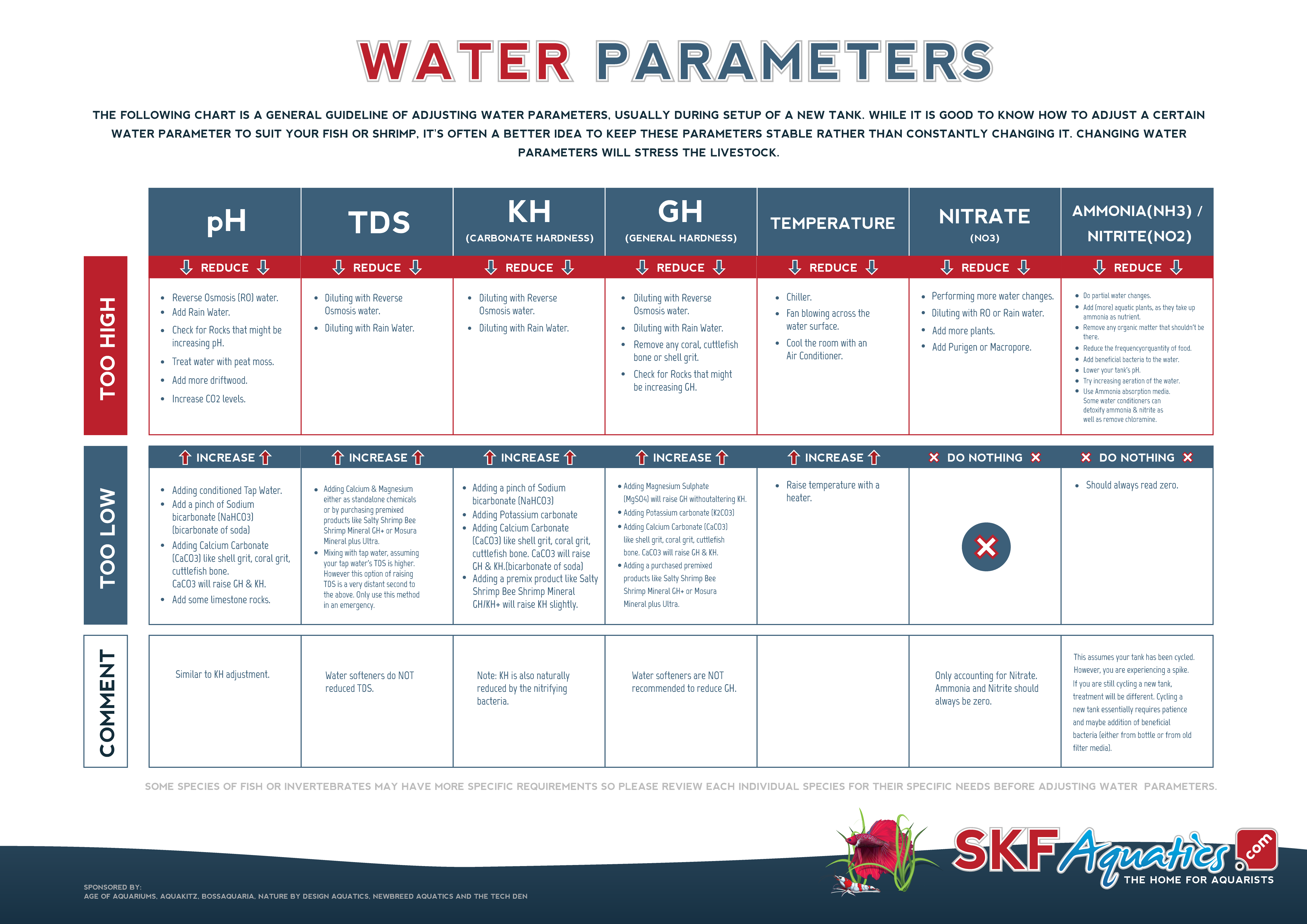
Water chemistry makes or breaks your crayfish aquarium setup. Forget “set it and forget it”—crayfish need precise, stable conditions. Target 65-75°F (18-24°C) for most species, with pH between 6.5 and 8.0. Crucially, your water must have moderate hardness (3-10 dGH) to provide the calcium crayfish need for healthy molting. Ammonia and nitrite must read 0 ppm at all times—any detectable level causes gill damage and stress.
Testing Protocol for Beginner Crayfish Keepers
Invest in a liquid test kit (not strips) to monitor parameters weekly. Before adding your crayfish, complete a full nitrogen cycle. During the first month, test water every 3 days. Keep a log—sudden parameter shifts signal problems before visible symptoms appear. If nitrates exceed 20 ppm, perform an immediate 30% water change with properly conditioned water.
Choosing the Right Filter for Your Crayfish Aquarium
Your filter performs triple duty: mechanical waste removal, biological filtration, and water movement. For crayfish, prioritize safety and adjustable flow. Sponge filters are ideal—they provide gentle circulation while preventing crayfish from getting sucked into intakes. If using canister or hang-on-back filters, cover intakes with pre-filter sponges; uncovered intakes have caused countless crayfish injuries when curious claws investigate.
Pro tip: Aim for filtration rated to process 4-5 times your tank volume hourly. For a 20-gallon tank, that’s 80-100 GPH. Position the outflow to create gentle circulation without strong currents—crayfish prefer moderate water movement they can navigate easily.
Creating Hiding Spots Crayfish Will Actually Use
Crayfish aren’t shy—they’re survivalists. In the wild, they spend 90% of their time hidden from predators. Your tank must provide multiple secure retreats. Use smooth river rocks, PVC pipes (2-3 inch diameter), or ceramic caves arranged so each hide has only one entrance. Place at least two hides per crayfish, positioned to block line-of-sight between them.
Why Your Crayfish Ignores Store-Bought Hides
Most commercial hides fail because they’re either too large (making crayfish feel exposed) or have multiple entrances (allowing predators access). Your crayfish will only use hides where they feel completely secure. Test each hide by placing it in the tank and observing—within 24 hours, your crayfish will consistently choose the most secure options.
The Critical Role of Calcium in Crayfish Molting Success
Molting is when crayfish shed their old exoskeleton to grow—a process that demands massive calcium reserves. Without adequate calcium, molts fail, leaving crayfish trapped in their old shell or with soft, deformed new shells. This is the #1 cause of preventable crayfish deaths in home aquariums.
Essential Calcium Sources You Must Provide
- Cuttlebone: The single most effective calcium source (remove hard backing first)
- Calcium blocks: Specifically formulated for invertebrates
- Crushed coral: Add to filter media or as substrate layer
- Blanched vegetables: Spinach and kale provide supplemental calcium
Never remove the molt: After molting, crayfish consume their old exoskeleton to recycle calcium. Disturbing this process risks fatal calcium deficiency.
What to Feed Your Crayfish for Optimal Health and Color
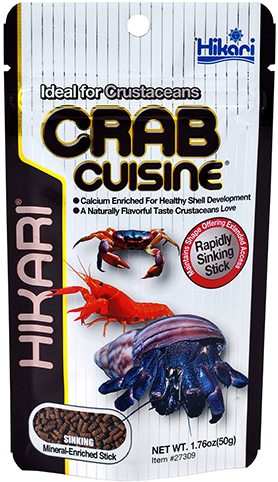
Crayfish are opportunistic omnivores requiring balanced nutrition. Base their diet on high-quality sinking pellets like Hikari Crab Cuisine, which contains essential calcium and nutrients. Supplement with blanched vegetables (zucchini, peas) 2-3 times weekly and protein sources (bloodworms, brine shrimp) twice weekly.
Common Feeding Mistakes That Shorten Crayfish Lifespan
Overfeeding causes rapid water degradation—remove uneaten food after 24 hours. Avoid fatty meats and processed foods that disrupt digestion. Never skip calcium-rich foods; color vibrancy directly correlates with proper nutrition. Feed once daily, adjusting portions based on consumption (a good portion is gone within 2 hours).
Selecting Crayfish Species for Your First Aquarium Setup
Your species choice determines your entire setup. Electric Blue Crayfish (Procambarus alleni) make excellent first pets—colorful, hardy, and 4-5 inches long requiring 20 gallons. Avoid aggressive species like Red Claw Crayfish (Cherax quadricarinatus) until you gain experience—they need 30+ gallons and careful monitoring.
Dwarf Crayfish: The Exception to Tank Size Rules
Cambarellus species (dwarf crayfish) thrive in 5-10 gallon tanks and can sometimes be kept in small groups. They’re less destructive to plants and generally peaceful, making them ideal for nano tanks. However, they require the same water parameter precision as larger species.
Why Most Tank Mates Fail in Crayfish Aquariums
Despite popular advice, crayfish rarely coexist peacefully with tank mates. They’re opportunistic predators that view slow-moving fish, shrimp, and snails as food. The only potentially compatible tank mates are fast, top-dwelling fish like danios—but even then, success rates hover around 30%.
Critical warning: Never house multiple crayfish together unless you have a 55+ gallon tank with extensive visual barriers and multiple feeding stations. Cannibalism during molts is common and often fatal.
Troubleshooting Failed Molts in Your Crayfish Tank
Failed molts manifest as crayfish stuck in their old shell, missing limbs, or soft shells that never harden. The primary culprits are calcium deficiency and poor water quality. If you notice pre-molt signs (reduced appetite, hiding), immediately check water parameters and ensure cuttlebone is available.
Emergency response: For a crayfish stuck mid-molt, perform a 30% water change with conditioned water, add calcium supplement, and leave the crayfish undisturbed. Never attempt to “help” remove the old shell—it risks fatal injury.
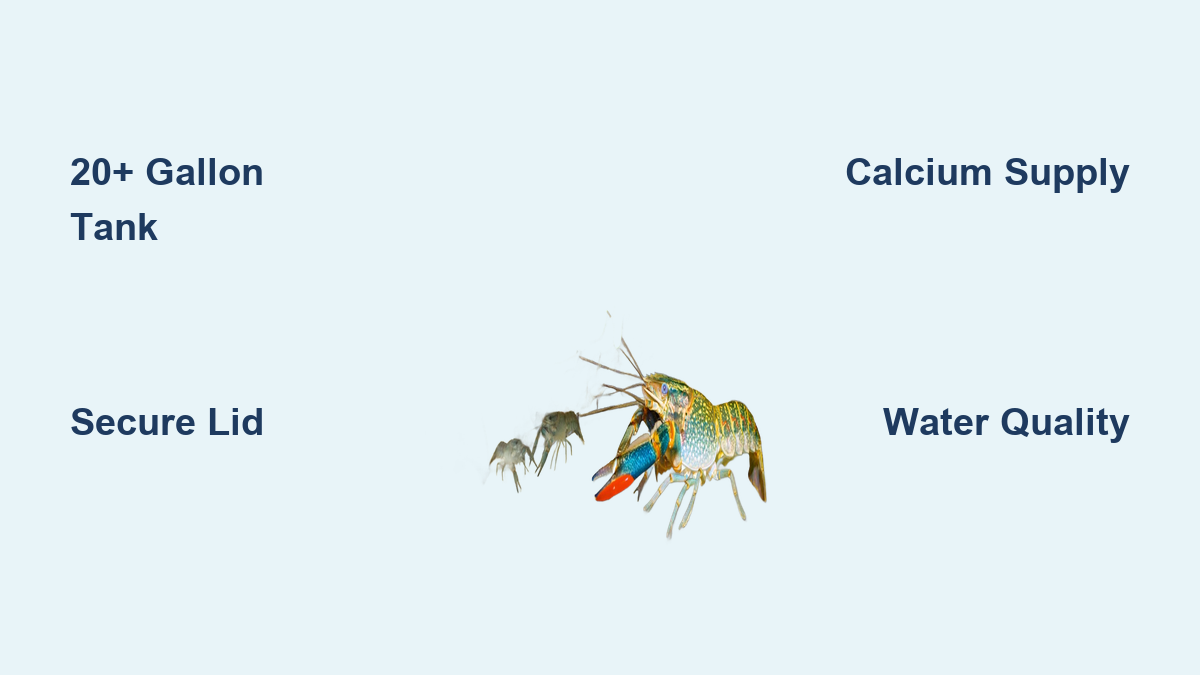
Final Note: A properly executed crayfish aquarium setup creates a stable ecosystem where your crustacean will thrive for 3-5 years. Focus on tank size, security, water parameters, and calcium availability—these four elements make or break your success. By following this guide, you’re not just building a tank; you’re creating a habitat that supports natural behaviors and prevents the most common causes of crayfish mortality. The reward is a fascinating, active pet that showcases the remarkable adaptations of these ancient crustaceans.