Best Marine Aquarium Setup (2026 Guide)
Your dream of a thriving marine aquarium isn’t just about adding saltwater to a tank—it’s about creating a balanced ecosystem that mimics the ocean’s delicate harmony. The best marine aquarium setup combines precise equipment selection, proper cycling techniques, and ongoing maintenance to create a stable environment where fish and corals flourish. Whether you’re starting with a 20-gallon nano tank or a 180-gallon reef masterpiece, this guide delivers the exact steps needed to establish a healthy saltwater system. You’ll discover how to avoid common beginner mistakes, select the right livestock for your skill level, and maintain crystal-clear water that keeps your marine life vibrant for years to come.
Choosing Your Marine Aquarium Type: Fish-Only, FOWLR, or Reef
Fish-Only Systems: The Simplest Path to Saltwater Success
If you’re new to marine aquariums, a fish-only setup provides the most forgiving entry point. This configuration focuses exclusively on fish without corals or demanding invertebrates, requiring less specialized equipment and maintenance. You’ll need standard filtration, moderate lighting, and can often get by with simpler water parameter management compared to reef systems. The biggest advantage? 10-20% weekly water changes keep nutrients in check without the precise calcium, alkalinity, and magnesium monitoring required for corals. Beginners should consider hardy species like clownfish, gobies, or blennies that tolerate minor parameter fluctuations while you master saltwater basics.
FOWLR: Adding Natural Filtration with Live Rock
When you’re ready to level up, Fish-Only With Live Rock (FOWLR) introduces biological complexity that makes tank maintenance easier long-term. The 1-2 pounds of live rock per gallon you add serves as both decoration and living filtration system, hosting beneficial bacteria that break down waste naturally. This setup requires slightly more lighting than basic fish-only tanks but significantly less than reef systems. You’ll notice immediate benefits: fewer water changes needed (5-10% weekly), more natural fish behavior, and the beginning of a true marine ecosystem. Start with simple invertebrates like turbo snails and hermit crabs to manage algae before considering more delicate species.
Reef Tanks: Creating an Underwater Coral Garden
For the ultimate marine experience, a reef tank delivers breathtaking color and movement with its living coral displays. But make no mistake—this represents the most demanding marine aquarium setup with strict requirements. You’ll need intense LED, T5, or metal halide lighting specifically tuned for photosynthetic corals, plus precise monitoring of calcium (380-450 ppm), alkalinity (7-11 dKH), and magnesium (1250-1350 ppm). Start with hardy soft corals like mushrooms or zoanthids before attempting small polyp stony (SPS) corals. The reward? A miniature ocean ecosystem that grows and evolves daily, with corals that extend their polyps to feed as you watch.
Critical Gear for Your Best Marine Aquarium Setup

Protein Skimmers: Non-Negotiable Waste Removal
Skip the protein skimmer and you’ll battle nutrient buildup and algae from day one. This device removes organic compounds before they decompose into harmful nitrates and phosphates. For a 55-gallon tank, choose a skimmer rated for 75 gallons to ensure efficient operation. Position it in your sump where it receives steady water flow, and clean the collection cup weekly. The foam you remove would otherwise cloud your water and feed algae blooms. When properly adjusted, you’ll see dark, coffee-colored foam collecting—evidence your skimmer is doing its critical job keeping your marine aquarium pristine.
Water Movement: Eliminating Dead Zones in Your Tank
Stagnant water spells disaster for marine life, especially corals that need constant flow to deliver food and remove waste. Install at least two wavemakers or powerheads positioned to create chaotic, random flow patterns rather than circular currents. For a 40-55 gallon tank, aim for a turnover rate of 20-30 times the tank volume per hour. Position your pumps to direct flow across the entire tank, preventing “dead zones” where detritus accumulates. Watch your corals—they should gently sway in the current, not be blasted flat or completely still. Proper water movement also helps distribute heat evenly and prevents hot spots that could stress your livestock.
Mastering the Nitrogen Cycle Before Adding Livestock
Fishless Cycling: The Safe, Effective Method
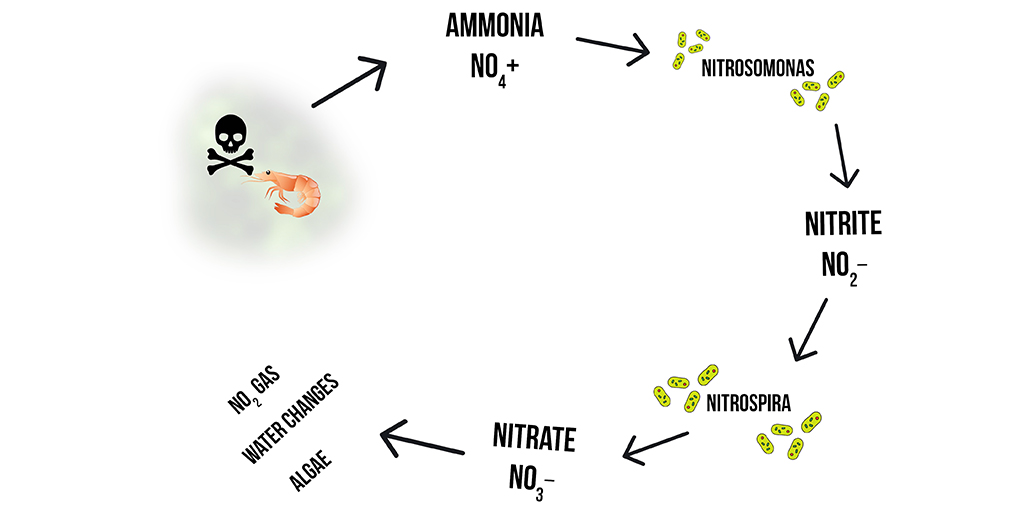
Forget old advice about using hardy fish to cycle your tank—fishless cycling prevents unnecessary stress and deaths. Start by adding pure ammonia (2-4 ppm) or fish food to your saltwater-filled tank. Test daily as beneficial bacteria colonies establish themselves in three critical phases: ammonia-eating bacteria form first (days 0-14), followed by nitrite-consuming bacteria (days 14-30), and finally nitrate-producing bacteria (days 30-45). The cycle completes when you can add ammonia that converts to nitrate within 24 hours with zero ammonia and nitrite readings. This process takes 4-8 weeks but creates a stable foundation for healthy livestock.
Accelerating Your Cycle with Live Rock and Bacterial Starters
While you can’t rush biology, you can speed up cycling with strategic additions. 1-2 pounds of live rock per gallon introduces established bacteria colonies that jumpstart the process. Alternatively, use commercial bacterial starters containing Nitrosomonas and Nitrobacter strains. Place the live rock high in your tank initially to maximize oxygen exposure for the bacteria. When using bacterial additives, follow package instructions precisely—adding too much won’t help and might cause oxygen depletion. Monitor parameters daily and be patient; a properly cycled tank saves you countless headaches down the road.
Perfecting Water Parameters for Long-Term Stability
The Essential Testing Schedule You Can’t Skip
Successful marine aquarium keepers live by their test kits. Test daily for temperature and salinity (1.023-1.025 specific gravity), weekly for ammonia, nitrite, nitrate (<10 ppm), and phosphate (<0.1 ppm), and bi-weekly for calcium, alkalinity, and magnesium. Invest in a quality refractometer rather than cheap hydrometers for accurate salinity readings. Keep a logbook (digital or physical) to track trends—sudden parameter shifts often precede problems. When testing, take water samples away from direct light and compare against the color chart immediately, as results can change as the water warms.
Fixing Common Water Parameter Emergencies
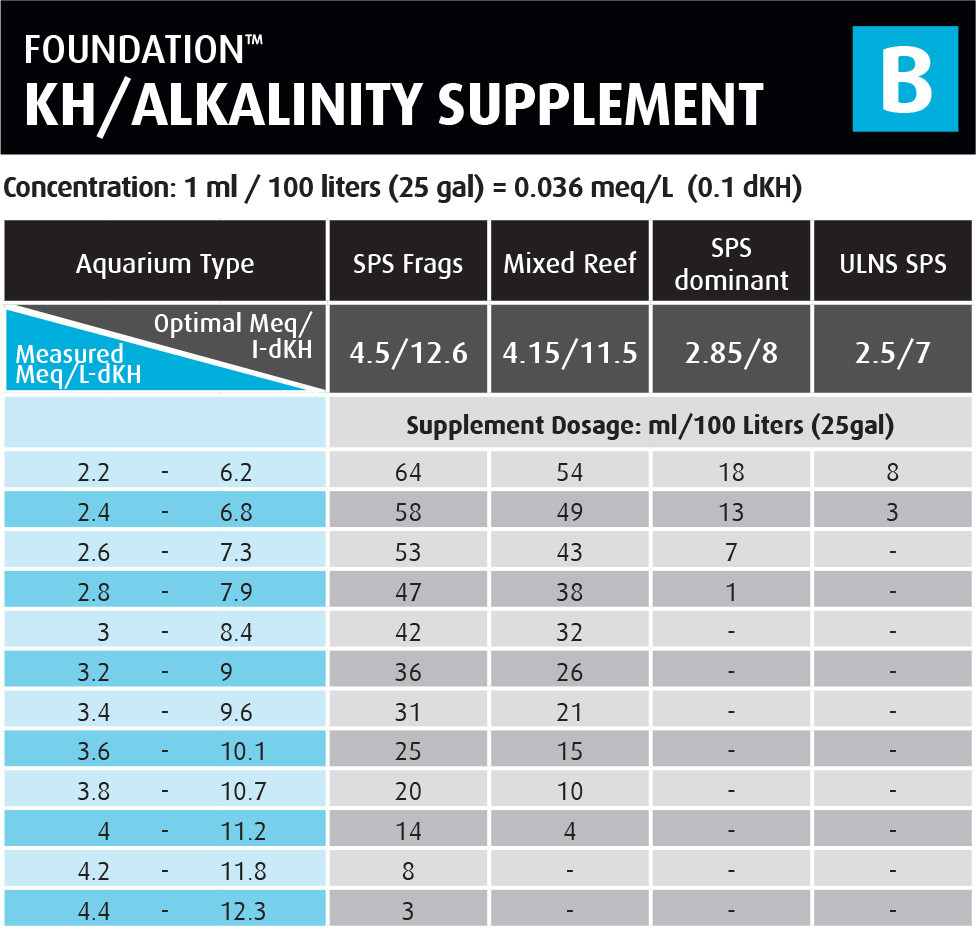
When parameters drift outside safe ranges, act quickly but methodically. For high nitrates, perform 25% water changes with properly mixed saltwater and check your protein skimmer operation. Phosphate spikes require reducing feeding, adding GFO (granular ferric oxide) media, and cleaning detritus from your substrate. If alkalinity drops, dose a two-part calcium/alkalinity supplement following manufacturer instructions—never make large adjustments at once. Remember: stability trumps perfection. A consistent 7.9 pH is better than fluctuating between 8.2-8.4. Small, frequent corrections prevent the stress that causes most livestock losses.
Daily, Weekly, and Monthly Maintenance That Prevents Disasters
The 10-Minute Daily Checklist for Healthy Tanks
Start each day with these critical checks: verify your temperature stays between 75-80°F (24-27°C), ensure salinity remains stable at 1.023-1.025, confirm all pumps and skimmers are running properly, and observe your livestock for unusual behavior. During feeding, watch for signs of illness like rapid gill movement or loss of appetite. This brief daily ritual catches 90% of potential problems before they escalate. Keep a small notebook by your tank to jot down observations—these notes become invaluable when troubleshooting issues weeks later.
Water Changes: The Single Most Important Maintenance Task
Weekly 10-20% water changes form the backbone of marine aquarium health. Prepare your replacement water 24-48 hours in advance, matching it to your tank’s temperature and salinity. When changing water, vacuum the substrate gently to remove detritus without disturbing beneficial bacteria in your sand bed. Never change more than 25% at once unless addressing an emergency—sudden parameter shifts stress livestock more than slightly elevated nitrates. For reef tanks, consider adding a small amount of calcium and alkalinity supplements to your new saltwater to compensate for coral consumption between changes.
Troubleshooting Your Marine Aquarium’s Most Common Emergencies
Stopping Algae Blooms Before They Take Over
That first diatom or hair algae outbreak panics many new marine aquarists, but it’s usually fixable. Reduce lighting duration to 6 hours daily until the bloom subsides, then gradually increase. Cut back on feeding—most tanks are overfed by 30-50%. Add nutrient-hungry macroalgae like Chaetomorpha to your sump or refugium, which consumes excess nitrates and phosphates. For immediate relief, manually remove as much visible algae as possible during water changes. Within 2-3 weeks of consistent maintenance, your tank should regain its crystal clarity.
Emergency Power Outage Protocol for Marine Tanks

When the power fails, your marine aquarium has limited reserves. Battery-powered air pumps keep oxygen circulating during short outages. For extended blackouts (more than 2 hours), manually stir the water every 30 minutes to maintain gas exchange. If temperatures threaten to rise above 82°F, float sealed bags of ice cubes (not directly adding ice) to cool the water gradually. Never unplug your tank during an outage—wait for power restoration to avoid electrical hazards. Serious hobbyists invest in uninterruptible power supplies (UPS) that keep critical pumps running for 4-8 hours during outages.
Final Note: Building the best marine aquarium setup requires patience, precise equipment selection, and consistent maintenance—but the reward of a thriving underwater ecosystem makes every effort worthwhile. Start with a fish-only or FOWLR system to master fundamentals before advancing to reef keeping, and never rush the cycling process. Remember that stability matters more than hitting “perfect” parameters, and small, frequent water changes outperform occasional massive corrections. With this foundation in place, you’ll create a marine aquarium that doesn’t just survive, but truly flourishes for years to come.