Aquarium Plants Turning Brown? Here’s Why and How to Fix It
That vibrant green underwater garden suddenly looks like autumn arrived early. When your aquarium plants go brown, it’s not just an eyesore—it’s a distress signal screaming for attention. This frustrating transformation happens to even experienced aquarists, often striking without warning as delicate leaves turn muddy brown or develop unsightly patches. Whether you’re nurturing Amazon swords, fast-growing water wisteria, or hardy anacharis, browning means your plants are starving, suffocating, or fighting invisible enemies. The good news? You’ve caught it early enough to reverse the damage. In this guide, you’ll discover exactly why aquarium plants go brown and get actionable fixes tailored to your specific tank setup—no guesswork required.
Pinpoint Why Your Aquarium Plants Go Brown
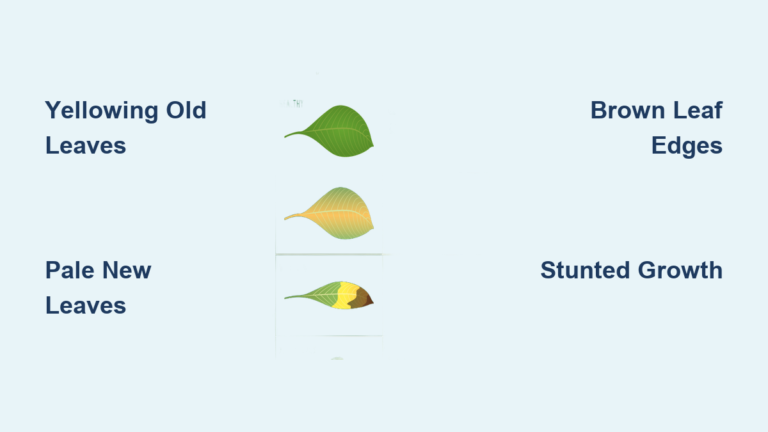
Don’t grab fertilizers or adjust lights yet. Jumping to solutions without diagnosis wastes time and money while your plants deteriorate. Browning manifests differently based on the culprit, so become a plant detective first. Check older leaves—if they’re browning while new growth stays green, you’re likely facing a potassium or nitrogen deficiency. But if new shoots turn brown immediately, your CO₂ levels are critically low or your lighting is inadequate. Notice transparent, papery brown patches? That’s classic iron deficiency in sword plants. Meanwhile, brown diatom algae coating leaves indicates silicate overload or new-tank syndrome. Grab a magnifying glass and inspect leaf veins: yellowing between green veins means iron starvation, while brown edges on older leaves point to potassium shortage. This visual diagnosis takes 60 seconds but saves weeks of failed fixes.
Fix Your Lighting Before Browning Spreads

That standard LED light bar designed for fish viewing is probably starving your plants. The Aqueon OptiBright and similar fixtures lack the red-blue spectrum ratio (650nm/450nm) and PAR values plants need for photosynthesis. If your Amazon swords stretch toward the surface with spindly stems while new growth browns, your lighting intensity is below 30 PAR at substrate level—far below the 50-80 PAR swords require. But don’t just crank up the brightness; mismatched duration causes new problems. Running lights more than 8 hours daily triggers explosive algae that smothers plants, while under 6 hours starves them. Here’s your lighting rescue plan:
– Immediate action: Reduce photoperiod to 6 hours using a timer
– Critical upgrade: Swap to NICREW ClassicLED Plus (minimum 40 PAR at substrate)
– Pro tip: Insert a 2-hour “siesta” midday—turn lights off from 1-3 PM—to disrupt algae cycles without hurting plants
– Test success: Healthy plants show compact growth within 10 days; browning stops within 72 hours of correction
Solve the CO₂ Crisis Causing Browning
Inconsistent CO₂ is public enemy #1 for browning aquarium plants. That weekly API CO₂ Booster dose creates feast-or-famine cycles—glutaraldehyde-based liquid carbon starves plants between doses. Pressurized CO₂ isn’t just for show tanks; it’s non-negotiable for healthy growth. If your anacharis melts after liquid carbon use or swords develop brown transparent leaves, your CO₂ is fluctuating below 15 ppm. Here’s how to stabilize it:
1. For immediate relief: Install a dual-bottle DIY yeast reactor (1 bubble/2-3 seconds) using 1 cup sugar + 1 tsp yeast per bottle
2. For lasting results: Add a pressurized CO₂ system with solenoid (target 20-30 ppm)
3. Critical check: If bubbles vanish within 1 hour, your tank’s surface agitation is too high—reduce filter outflow
4. Warning: Never dose liquid carbon and pressurized CO₂ simultaneously—this shocks plants
Pro insight: Anacharis uniquely melts with liquid carbon supplements but thrives with pressurized CO₂ at 15 ppm. If your stem plants brown after carbon dosing, switch systems immediately.
Correct Nutrient Deficiencies Fast

Brown leaves often mask specific nutrient gaps. That yellowing between veins on new growth? Iron deficiency screaming for 0.3-0.5 ppm Fe-DTPA. Meanwhile, brown leaf edges on older growth mean potassium has dropped below 10 ppm. Don’t guess—test weekly with liquid kits (strips are useless for micros). Follow this targeted correction protocol:
| Symptom | Deficiency | Emergency Fix | Maintenance Dose |
|---|---|---|---|
| Brown edges on old leaves | Potassium | Dose potassium sulfate to 20 ppm | 10 ppm weekly |
| Yellow veins, green margins | Iron | Inject Seachem Iron at 0.5 ppm | 0.2 ppm twice weekly |
| Transparent brown patches | Nitrogen | Add nitrate to 15 ppm | 10 ppm weekly |
| Brown spots on leaf margins | Magnesium | Dose Epsom salt (1 tsp/20 gal) | Test monthly |
Root tab critical path: For swords or crypts in sand substrate, push Seachem Flourish Tabs 2 inches deep within 2 inches of roots. Replace quarterly—depleted tabs cause recurring browning.
Stop Substrate from Suffocating Roots
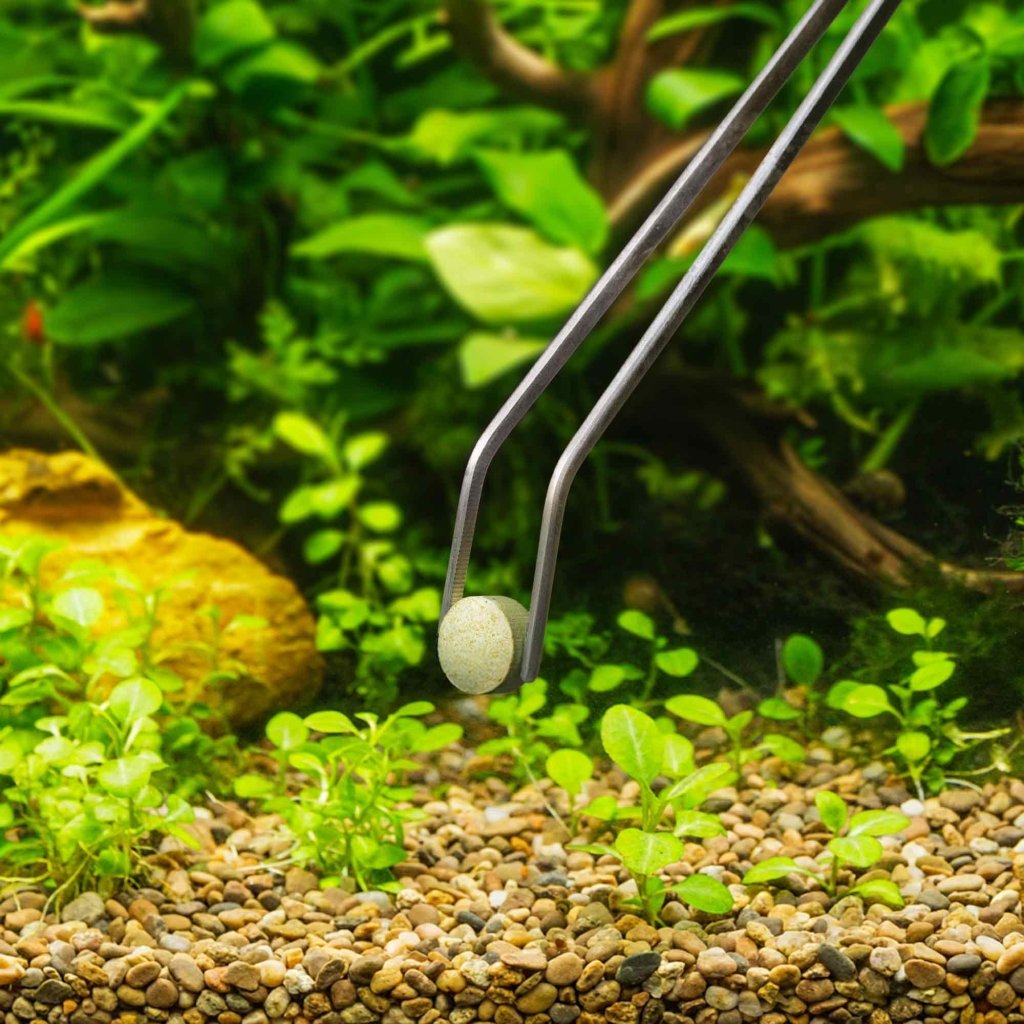
Fine sand is a silent killer for aquarium plants going brown. That 1-inch substrate depth compacts around Amazon sword roots, blocking oxygen and trapping waste. Within weeks, roots suffocate, turning leaves brown while algae colonizes the dead zones. Fix this in 24 hours:
– Emergency: Vacuum substrate gently around plants to break compaction
– Root zone rescue: Insert root tabs 1-2 inches below sand surface (2 tabs per sword plant)
– Long-term: Add 2-inch layer of aquarium soil under sand—never mix top 1 inch
– Pro move: Plant swords in mesh pots filled with nutrient-rich soil to isolate roots
Warning: Swords in sand without root tabs develop brown leaves within 30 days—no amount of liquid fertilizer fixes this.
Break the Algae-Browning Cycle
Brown diatom algae isn’t just ugly—it’s actively killing your plants. When diatoms coat leaves (common in new tanks), they block 90% of light, triggering starvation browning. But scrubbing alone fails because silicates in tap water feed the outbreak. Here’s the 7-day diatom kill protocol:
1. Day 1: Add 3 Nerite snails + 5 Otocinclus (they eat diatoms 24/7)
2. Day 2: Reduce lighting to 6 hours + perform 50% water change with RO water
3. Day 3: Wipe leaves with soft toothbrush during water change
4. Day 5: Test phosphate—keep below 2.0 ppm with daily 10% water changes
5. Day 7: Introduce floating plants (red root floaters) to consume excess silicates
Key insight: Diatom blooms peak at 45 days in new tanks. If your aquarium plants go brown during this window, silicates—not nutrients—are the root cause.
Maintain Perfect Water Chemistry
Plants absorb nutrients only within precise chemical ranges. Swords in alkaline water (pH 8.0+) turn brown because iron becomes insoluble. Your weekly water change must hit these targets:
- Nitrate: 10-20 ppm (below 5 ppm starves plants; above 40 ppm feeds algae)
- Phosphate: 0.5-2.0 ppm (test weekly—critical for new growth)
- Iron: 0.1-0.5 ppm (dose chelated iron post-water change)
- CO₂: 20-30 ppm (use drop checker—blue = good, green = low, yellow = crisis)
Emergency fix for brown leaves: Next water change, add 1 mL Seachem Equilibrium per 10 gallons to stabilize GH at 4-6 dGH. Within 72 hours, nutrient uptake improves dramatically.
Prevent Browning with Smart Maintenance
Your weekly routine determines plant health more than any fertilizer. Follow this battle-tested schedule:
Every 3 Days:
– Test CO₂ with drop checker (replace if yellow)
– Wipe browning leaves with soft cloth—never pull them
Weekly (non-negotiable):
1. 40% water change with temperature-matched RO/dechlorinated water
2. Dose liquid iron + potassium after water change
3. Prune brown leaves at stem base using scissors
Monthly:
– Replace root tabs for swords/crypts
– Clean filter intake in tank water to preserve bacteria
Pro tip: After water changes, new green growth appears in 7 days if parameters are correct. No new growth? Test iron immediately—deficiency strikes fastest.
Recovery Timeline: What to Expect
Stop panic-treating—browning fixes take predictable time. Track these milestones:
– 24-48 hours: Brown spots stop spreading after water change + CO₂ stabilization
– Day 7: New growth emerges green (if not, check iron levels)
– Day 14: Algae reduces by 50% with consistent maintenance
– Week 4: Full recovery with vibrant new leaves replacing browned ones
Critical note: Fully brown leaves won’t turn green again—prune them to redirect energy. Focus on new growth as your recovery indicator.
Final Checklist for Brown-Free Plants
– [ ] Lighting: 6-8 hours daily with 2-hour midday break
– [ ] CO₂: 20-30 ppm via pressurized system or consistent DIY
– [ ] Nutrients: Iron 0.3 ppm + Potassium 15 ppm weekly
– [ ] Water: 40% weekly changes with RO water if TDS >250
– [ ] Substrate: 3+ inches depth with root tabs for swords
Browning aquarium plants are never random—they’re screaming for specific fixes. By methodically adjusting light, CO₂, and nutrients while stabilizing water chemistry, you’ll transform those muddy brown leaves back to lush green within weeks. Remember: New growth is your true recovery signal. Stick to the weekly maintenance rhythm, prune dead leaves aggressively, and within a month, you’ll have the vibrant underwater garden you envisioned. Your plants aren’t dying—they’re just waiting for you to speak their language. Start today, and by next week, you’ll see the first green shoots of success.