Aquarium Fish Disease Treatment Guide
Spotting white specks on your betta’s fins or noticing your goldfish struggling to swim properly sends immediate panic through any fish keeper. When your aquatic pets show signs of illness, every hour counts toward their survival. Most aquarium fish disease treatment failures happen not from lack of medication, but from misdiagnosis and improper care protocols. This guide delivers the precise steps you need to identify common illnesses like ich, fin rot, and velvet within minutes, implement effective treatments that actually work, and create a tank environment that prevents future outbreaks. You’ll learn why 90% of fish diseases stem from preventable water quality issues and exactly how to set up a hospital tank that speeds recovery.
Identifying White Spots, Fuzzy Patches & Critical Disease Symptoms
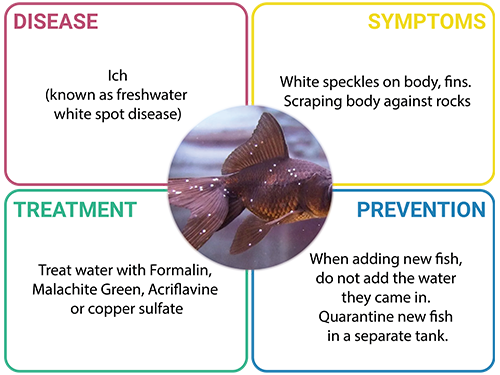
Recognizing specific disease markers separates successful treatment from wasted effort. Generic “sick fish” symptoms require different approaches than targeted illnesses. Check for these visual and behavioral clues before reaching for medication.
How to Spot Ich Before It Spreads Through Your Tank
Ich appears as pinpoint white spots resembling salt grains across the body and fins, typically starting on the tail and spreading outward. Affected fish will scratch against gravel or decorations (flashing), breathe rapidly, and keep fins clamped tightly against their bodies. The parasite completes its life cycle in 3-7 days depending on temperature, making early detection critical. If you see fewer than 10 spots, immediate treatment can prevent a full outbreak.
Differentiating Between Fin Rot and Fungal Infections
Fin rot shows as ragged, decaying fins with white or red edges that progressively worsen. The damaged tissue appears eaten away rather than fuzzy. True fungal infections present as cotton-like tufts growing from wounds or the mouth. Many cases misdiagnosed as fungus are actually bacterial fin rot exacerbated by poor water conditions. Check for ammonia spikes above 0.25 ppm—this almost always accompanies bacterial infections.
Recognizing Life-Threatening Conditions Like Dropsy
Dropsy isn’t a disease but a symptom of severe organ failure, visible when scales protrude outward like a pinecone. This condition has less than 20% survival rate even with aggressive treatment. Watch for additional signs including swollen abdomen, bulging eyes, and red streaks on the body. Unlike simple bloating from constipation, dropsy causes permanent scale distortion that won’t resolve with fasting or Epsom salt baths alone.
Your 7-Step Hospital Tank Treatment Protocol
Treating sick fish in your main display tank contaminates healthy inhabitants and disrupts your established biological filter. This quarantine process isolates the illness while providing optimal recovery conditions.
Setting Up an Effective Hospital Tank in 15 Minutes
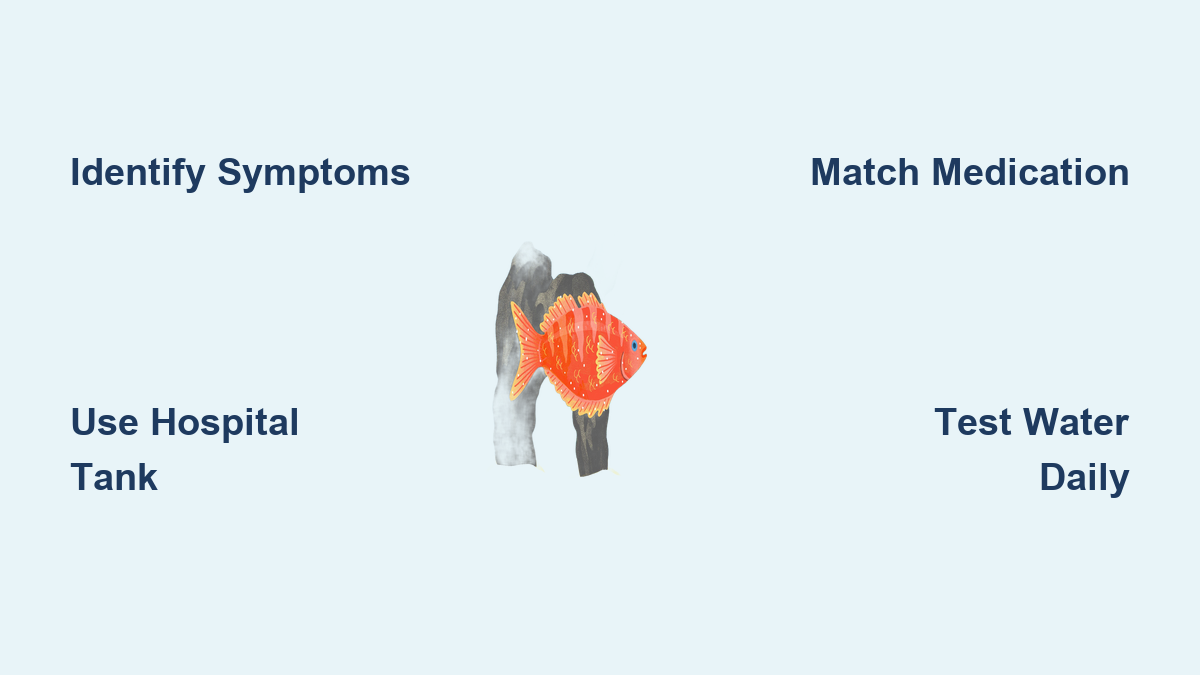
Grab a 5-10 gallon container with nothing but water from your main tank, a simple sponge filter, and a heater set to 78-80°F. Remove all decorations and substrate to prevent medication absorption and make waste removal easier. Dim the lighting significantly—fish with parasites like velvet suffer more under bright conditions. Add an air stone for oxygenation since sick fish often have compromised gill function.
Executing Targeted Treatments Based on Your Diagnosis
Never guess at medication—match the treatment precisely to your observed symptoms. For ich and velvet, copper-based treatments require maintaining 0.20-0.30 ppm concentration measured with a test kit, not eyeballing doses. Bacterial infections like fin rot respond best to Kanamycin antibiotics added after correcting water parameters. Fungal infections need Methylene Blue applied at 2-3 mg/L for 3-5 days. Always remove carbon filtration during treatment as it absorbs medications.
Critical Water Management During Treatment
Perform 10-15% water changes daily in the hospital tank using pre-treated water matched to the tank’s temperature. Vacuum debris gently without disturbing the sick fish. This removes medication byproducts and waste while maintaining stable parameters. For bacterial infections, clean water matters more than the medication itself—many cases resolve with pristine conditions alone. Test ammonia daily as medications can temporarily disrupt the mini-cycle in your hospital setup.
Medication Match Guide: Choosing Treatments for Specific Diseases
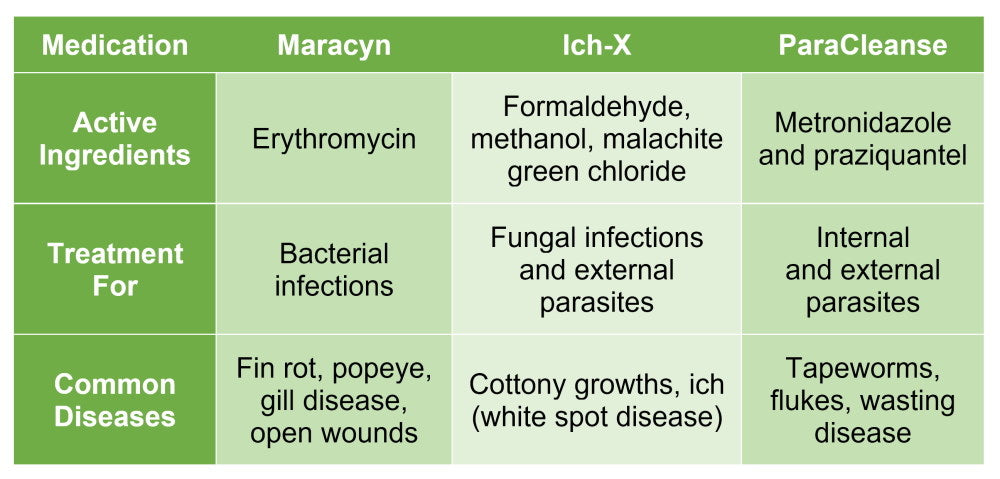
Selecting the wrong medication wastes time and stresses fish further. This reference ensures you’re using the right solution for each condition.
Why Copper Works for Parasitic Infections But Harms Invertebrates
Copper-based treatments like Cupramine effectively kill ich and velvet parasites by disrupting their cell function. However, copper accumulates in the tank and becomes toxic to shrimp, snails, and scaleless fish like Corydoras. Always dose based on a copper test kit reading—never guess. Maintain treatment for 10-14 days minimum to catch all parasite life stages, even after spots disappear.
Antibiotic Selection for Bacterial Infections Like Fin Rot
Kanamycin proves most effective against gram-negative bacteria causing fin rot and body ulcers. It works by inhibiting protein synthesis in bacterial cells without harming fish when dosed correctly. Avoid broad-spectrum antibiotics like tetracycline unless confirmed by a fish pathologist—overuse creates resistant strains. Combine medication with perfect water conditions; antibiotics fail in tanks with detectable ammonia.
When to Use Epsom Salt Baths for Internal Issues
Epsom salt (magnesium sulfate) baths at 1-3 teaspoons per gallon for 15-30 minutes help reduce fluid retention in dropsy cases and relieve constipation causing swim bladder issues. Unlike aquarium salt, Epsom salt doesn’t affect osmoregulation but draws out excess fluids. Never use table salt—only pure, additive-free Epsom salts. Discontinue if fish shows distress during the bath.
Preventing Disease Before It Starts: Your Proactive Strategy
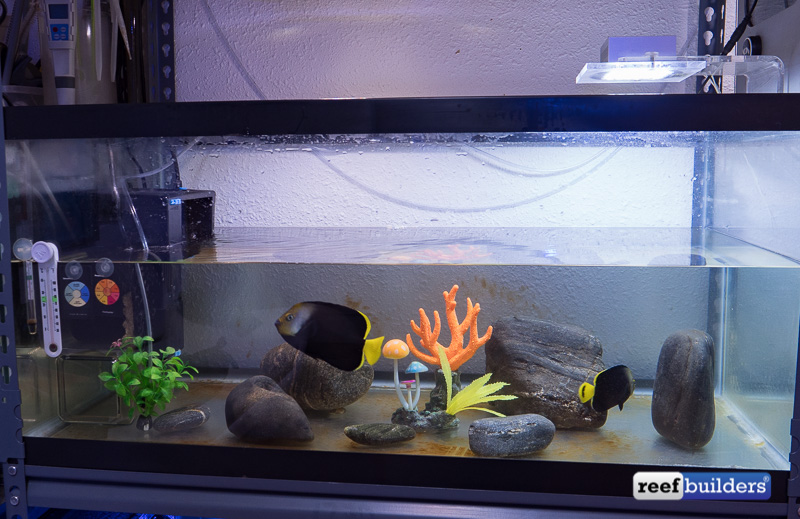
The most effective aquarium fish disease treatment involves never needing medication at all. These practices stop 95% of common illnesses before they begin.
The 28-Day Quarantine Process That Saves Lives
Isolate every new fish in a separate tank for 4 weeks minimum before introducing them to your main display. Many diseases remain invisible during initial stress but manifest within this period. Feed normally and watch for subtle signs like reduced appetite or slight color fading. This simple step prevents 80% of tank-wide disease outbreaks according to aquarium health studies.
Water Testing That Actually Prevents Disease Outbreaks
Test ammonia and nitrite daily in new tanks and weekly in established systems using liquid test kits (strips lack accuracy). Any detectable ammonia above 0.25 ppm requires immediate 50% water change. Nitrates should stay below 40 ppm through regular 25% weekly water changes. Poor water quality suppresses fish immune systems, making them vulnerable to opportunistic infections that wouldn’t affect healthy specimens.
Answering Your Top 6 Aquarium Disease Treatment Questions
Can aquarium salt treat ich effectively?
No—despite popular belief, aquarium salt only helps with minor external parasites and stress relief. Ich requires specific medications because its cyst stage is protected by a thick wall that salt cannot penetrate. Salt may provide temporary symptom relief but won’t eliminate the parasite.
Why treating the whole tank creates more problems
Medicating your entire display tank kills beneficial bacteria, crashes your cycle, and exposes healthy fish to unnecessary chemicals. Quarantine sick fish immediately—this approach reduces treatment time by 40% and prevents secondary infections in other tank inhabitants.
How to tell bacterial vs. fungal infections apart
True fungal infections appear as long, cottony growths emerging from wounds. Bacterial infections cause red streaks, ulcers, or milky film. When in doubt, treat for fungus first—antibiotics won’t help true fungal issues but antifungals can sometimes help bacterial conditions. Always correct water parameters regardless of infection type.
5 Deadly Treatment Errors That Harm Fish Instead of Healing Them
Skipping water changes during treatment ranks as the #1 mistake—medications work in clean water only. Overdosing kills more fish than diseases themselves; always follow label instructions precisely. Using expired medications provides false security as active ingredients degrade over time. Treating based on internet photos rather than verified symptoms leads to wrong protocols. Most critically, delaying treatment for “just a few spots” allows parasites to multiply exponentially.
Building an Immune-Boosting Environment: Your Disease-Proof Tank Checklist
Cycle new tanks for 6-8 weeks before adding fish using fishless cycling methods. Maintain stable temperatures within 2°F of species requirements—fluctuations stress immune systems. Feed high-quality foods with varied protein sources to build natural resistance. Keep stocking levels at 1 inch of fish per gallon maximum for coldwater species, less for tropicals. Perform weekly 25% water changes with a gravel vacuum to remove waste before it decomposes.
When finned friends show illness signs, act immediately but thoughtfully. Correct diagnosis followed by precise treatment in a clean hospital environment gives fish their best recovery chance. Remember that pristine water quality supports 70% of the healing process—medication merely provides the final push. By implementing these aquarium fish disease treatment protocols, you’ll transform from reactive crisis manager to proactive health guardian, ensuring your underwater community thrives for years.