How to Handle Aquarium Filter Power Outage
Your aquarium filter stops humming, the lights go dark, and panic sets in. A sudden aquarium filter power outage transforms your carefully balanced ecosystem into a ticking time bomb within hours. Without water movement, oxygen plummets, toxins build, and your fish face suffocation or poisoning. But here’s the critical truth: most fish deaths during blackouts happen because owners don’t take the right actions immediately—not because the outage was too severe. This guide cuts through the noise with a precise hour-by-hour action plan to save your aquatic life when the grid fails. You’ll learn exactly how to prevent oxygen crashes, avoid deadly filter restarts, and turn your tank into a resilient oasis until power returns.
Why Your Filter Stopping Is an Oxygen Emergency
Fish Start Suffocating Within Minutes
When your filter halts during an aquarium power outage, surface agitation stops immediately—halting oxygen exchange. Within 30 minutes, dissolved oxygen levels drop dangerously low while carbon dioxide builds. Watch for your fish clustering near the surface, gasping for air like drowning swimmers. This isn’t hunger stress—it’s suffocation. Even hardy goldfish can die in under 4 hours if oxygen isn’t restored, while sensitive species like tetras or angelfish may succumb in 90 minutes. The silent killer here isn’t ammonia yet—it’s the lack of oxygenated water movement.
Toxic Sludge Forms in Stagnant Filters

That stagnant water inside your canister or hang-on-back filter becomes a poison factory within hours. Beneficial bacteria that break down ammonia need oxygen to survive. Once the aquarium filter power outage hits, these bacteria begin dying after 4-6 hours, while fish waste keeps producing toxic ammonia. Worse, anaerobic bacteria thrive in the oxygen-free filter chamber, generating hydrogen sulfide—the rotten-egg gas that can wipe out your entire tank if pumped back in when power returns. Never restart a filter that’s been idle more than 4 hours without cleaning it first.
Temperature Swings Compound the Crisis
Tropical fish tanks lose heat 10x faster than room temperature during winter outages. A 78°F tank can crash to 60°F in 6 hours in freezing weather, shocking fish into lethargy or death. Conversely, summer blackouts cause overheating—water above 86°F holds less oxygen, accelerating suffocation. Insulating your tank buys critical time: wrapping it in blankets slows heat loss by 50%, while cracking a window near the tank in hot weather uses evaporative cooling. But remember—oxygen is always priority #1 over temperature.
Your Hour-by-Hour Rescue Protocol
First 15 Minutes: Oxygen Is Your Only Priority
Stop everything and agitate the surface immediately. Grab a clean cup and scoop tank water, pouring it back from 12+ inches high for 2 minutes straight. This creates vital bubbles and ripples for oxygen exchange. If you own a battery-powered air pump (keep one charged in your emergency kit!), connect it to an airstone now. Never feed your fish during an outage—undigested food increases oxygen demand and ammonia production. A healthy fish survives 7 days without food; they won’t starve in 24 hours.
Hour 1-3: Stabilize Before Testing
Wrap cold-weather tanks in towels (leave the top open for gas exchange) but never insulate during heatwaves—use a fan near (not over) the tank to cool water. Conserve battery power by running air pumps 15 minutes every hour if outages stretch beyond 4 hours. Prepare dechlorinated water for changes: fill containers before the outage with temperature-matched water. Test kits become useless after 4 hours as ammonia spikes—focus on manual oxygenation instead of waiting for test results.
Hour 4-8: Enter Critical Toxin Zone
This is when ammonia becomes lethal. For every hour past 4, your risk of fish loss doubles. Perform a 25% water change only if you have pre-prepared, temperature-matched water—dumping cold tap water shocks fish more than toxins. Gently remove filter media (sponges, ceramic rings) and place it in a mesh bag submerged directly in your tank. This keeps beneficial bacteria oxygenated while preventing toxic filter sludge from re-entering the water. Never rinse media in tap water—it kills essential bacteria.
Hour 12+: Damage Control Mode
Conduct 30% water changes every 12 hours using Seachem Prime water conditioner to temporarily neutralize ammonia. Stop manual surface agitation if you have a battery air pump running—it stresses exhausted fish. For saltwater tanks, prioritize oxygen over salinity: top off evaporated water with freshwater to maintain volume (salinity drops are less urgent than oxygen loss). Remember: fasting continues until the filter runs normally for 48 hours post-outage.
Power Returns? Avoid This Fatal Mistake

Never plug in your filter immediately after an aquarium power outage. The stagnant water inside likely contains lethal hydrogen sulfide. Instead:
1. Unplug all equipment
2. Drain canister/HOB filter water into a bucket (smells rotten? It’s toxic)
3. Rinse filter media only in old tank water (never tap water)
4. Reassemble filter with fresh dechlorinated water
5. Restart filter, then heater—monitor for 1 hour before reconnecting lights
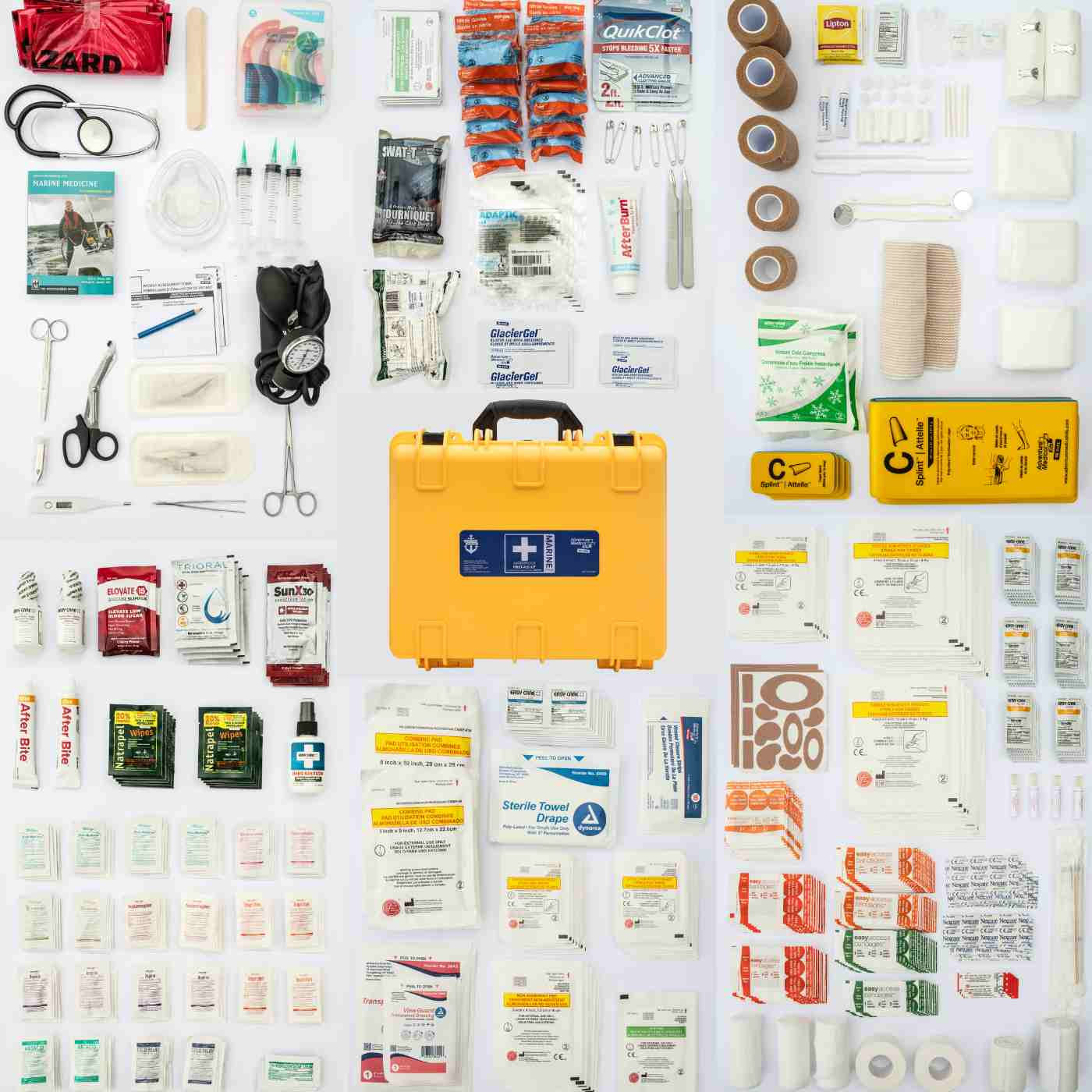
Emergency Kit: 4 Non-Negotiable Items
Battery Air Pump: Your Lifesaver
A $15 battery-powered air pump (like Tetra AP30) keeps oxygen flowing for 72+ hours on D-cells. Store it pre-connected to an airstone in your tank—deployment takes 10 seconds during chaos. This single item prevents 90% of outage-related fish deaths by maintaining surface agitation.
Pre-Prepped Water Containers
Keep two 5-gallon buckets filled with dechlorinated, temperature-matched water in your garage. Add a capful of Seachem Prime per 10 gallons. During outages, this ready-to-use water lets you change 25-50% of tank volume without stressing fish with temperature shocks.
Insulation Blankets for Winter
Fleece aquarium wraps (like NeoReno) slow heat loss by 70% during cold-weather blackouts. Store them rolled near your tank—unfurl and secure with rubber bands in under 60 seconds. Never use plastic sheeting—it traps deadly condensation.
Mesh Filter Media Bags
These $5 nylon bags let you safely suspend filter media in your main tank during outages. Simply drop media inside, tie shut, and submerge—bacteria stay alive for 24+ hours. Critical for preserving your nitrogen cycle.
Tank-Specific Survival Tactics
Planted Tanks: Leverage Photosynthesis Wisely
Your live plants are oxygen allies—but only during daylight. During a daytime outage, they produce oxygen via photosynthesis, buying you 2-3 extra hours. But at night, they consume oxygen—making blackouts after dark far deadlier. Pro tip: Shine a flashlight through a blue filter (like a phone screen protector) on plants for 10 minutes hourly to stimulate oxygen production without disrupting circadian rhythms.
Saltwater Systems: Oxygen Over Everything
Marine water holds 20% less oxygen than freshwater, so outages hit reef tanks hardest. Corals begin dying within 3 hours without flow. Your emergency priority: get an air stone bubbling in the sump immediately. For nano tanks, use a turkey baster to manually pulse water over corals every 15 minutes. Never add freshwater top-offs to saltwater tanks during outages—use pre-mixed saltwater in your emergency buckets.
Overstocked Tanks: Aggressive Water Changes
Heavily stocked tanks (like 1-inch fish per gallon+) produce ammonia 3x faster. If your aquarium filter power outage lasts over 3 hours, perform 40% water changes every 8 hours. Sacrifice fish comfort for survival: temporarily relocate some fish to clean buckets with battery aerators if tank density becomes lethal.
The 30-Second Outage Drill That Saves Tanks
Practice this monthly: Set a timer for 30 seconds and grab your emergency kit. Can you deploy the air pump, wrap insulation, and prepare water before the timer ends? Most failed rescues happen because owners waste precious minutes searching for supplies. Store everything in a labeled tote next to your tank—not in a distant closet. During actual outages, this drill reduces panic response time from 15 minutes to under 90 seconds.
When the lights go out, your aquarium filter’s silence is the alarm bell you can’t ignore. But with surface agitation as your immediate focus, pre-prepped water on standby, and the discipline to never restart filters blindly, you turn disaster into a manageable event. Keep that battery air pump charged and your emergency buckets full—your fish’s survival hinges on the 15 seconds of action you take before panic sets in. Remember: oxygen is the oxygen, temperature is secondary, and feeding is forbidden. Master these, and your tank will weather any blackout.