Best Cichlid Fish Types for Aquariums (2026 Guide)
Your aquarium transforms into a living masterpiece when you introduce cichlid fish. These vibrant freshwater species—from electric-blue Mbuna to graceful Angelfish—dominate home tanks with their bold personalities and stunning colors. Yet choosing the right aquarium cichlid fish types makes or breaks your tank’s harmony. Many beginners learn this the hard way after peaceful communities turn chaotic overnight. This guide cuts through the confusion by spotlighting exactly which cichlid species thrive in home aquariums, their non-negotiable care requirements, and how to prevent common disasters. You’ll discover why matching fish to your tank size and skill level isn’t optional—it’s the key to enjoying years of fascinating cichlid behavior without constant battles.
Cichlids aren’t just colorful decorations; they’re intelligent creatures that recognize owners and stage elaborate breeding rituals. But their territorial nature means a mismatched tank often ends in tragedy. I’ve seen pristine setups ruined in hours when aggressive species like Oscars were paired with delicate tetras. The good news? With the right species selection, you’ll witness incredible natural behaviors while maintaining peace. Whether you’re setting up your first 20-gallon tank or a massive 100-gallon showpiece, this guide delivers actionable strategies for every level. Let’s dive into the cichlid universe where smart choices create thriving underwater worlds.
Why Cichlid Behavior Determines Your Tank Success

Cichlids’ complex social structures directly impact your aquarium’s stability. These intelligent fish establish hierarchies through body language—flared gills, rapid color shifts, and tail-slapping signal dominance challenges. When Mbuna cichlids from Lake Malawi feel crowded, they’ll relentlessly chase intruders into rock crevices. South American species like Firemouths dig elaborate pits for spawning, rearranging your entire substrate overnight. Ignoring these natural tendencies guarantees aggression outbreaks that stress fish and cloud water.
Critical behavior red flags to watch for:
– Constant chasing with no hiding spots available
– Fish pressed against tank glass (sign of extreme stress)
– Missing scales or torn fins after lights-out periods
Your tank layout must accommodate species-specific instincts. For rock-dwelling African cichlids, create 15+ cave systems using stacked limestone to break sightlines. With digging species like Convict cichlids, anchor plants in heavy ceramic pots rather than hoping roots will hold. Remember: a cichlid acting “aggressive” is usually just fulfilling natural instincts in an unsuitable environment. Adjust your setup, not the fish’s personality.
How Tank Size Prevents Cichlid Aggression Disasters
Undersized tanks are the #1 cause of cichlid fatalities. A single Oscar needs 75 gallons minimum—not because it’s large, but because it requires territory boundaries. In cramped spaces, dominant fish relentlessly attack subordinates with no escape routes. For Mbuna communities, the “inch-per-gallon” rule fails spectacularly; these hyper-territorial fish need 2-3 gallons per inch to establish zones.
Tank size cheat sheet:
– Dwarf cichlids (Rams, Kribensis): 20 gallons for a pair
– Angelfish: 40 gallons (minimum 18″ height)
– African Mbuna: 55 gallons for 6-8 fish
– Oscars/Severums: 75+ gallons for one adult
Never upgrade slowly—cichlids grow fast. A 3-inch Jack Dempsey will outgrow a 30-gallon tank within 8 months. Start at the maximum size you can accommodate; your future self will thank you when your fish aren’t tearing each other apart.
Top 6 Aquarium Cichlid Fish Types for Every Tank Size
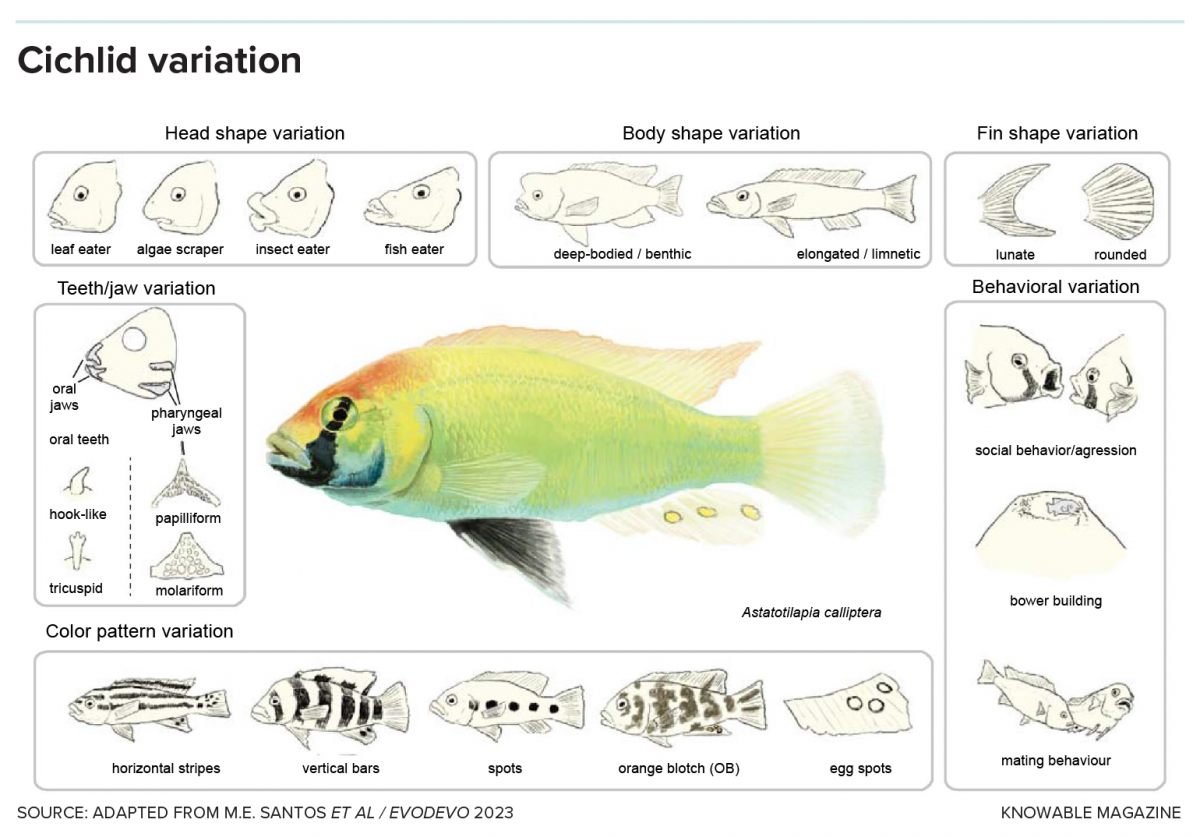
Selecting compatible cichlid species prevents costly mistakes. Match these proven options to your setup rather than forcing idealized combinations. Each type has non-negotiable requirements that override aesthetic preferences—get these wrong, and no amount of filtration will save your tank.
Angelfish: The Graceful Tower Dwellers
Angelfish (Pterophyllum) transform tall aquariums with their triangular silhouettes and flowing fins. They thrive in 40+ gallon tanks with vertical space (minimum 18″ height) and dense plantings of Amazon Swords or Vallisneria. Critical tip: Avoid keeping them with neon tetras or guppies—adult angels will eat anything small enough to fit in their mouths. While generally peaceful with mid-top dwellers, they become fiercely protective during spawning. Pair them with silver dollars or large tetras like Buenos Aires that occupy different tank zones.
Discus: The Demanding Color Champions
Discus (Symphysodon) earn their “King of the Aquarium” title through breathtaking color patterns, but demand expert-level care. They require rock-solid water stability: pH 6.0-6.5, temperature 82-86°F (28-30°C), and near-zero ammonia/nitrites. Never add discus to new tanks—they need fully cycled systems with mature biofilters. Keep them in groups of 6+ to diffuse aggression, and absolutely avoid tank mates that compete for food. German Blue Rams make acceptable companions only in massive 100+ gallon setups with separate feeding zones.
African Mbuna: The Rockwork Architects
Lake Malawi’s Mbuna cichlids (like Electric Yellow Labs or Cobalt Blue Zebra) deliver unmatched color intensity but require specialized setups. They need hard, alkaline water (pH 7.8-8.5) maintained with crushed coral substrate and limestone rock formations. Critical mistake to avoid: Mixing different Mbuna species without overstocking. Stock 15-20 fish in a 55-gallon tank to spread aggression, and never introduce single specimens. Feed spirulina-heavy diets to prevent Malawi Bloat—a often-fatal condition caused by protein overload.
Dwarf Cichlids: Small Tanks, Big Personalities
German Blue Rams (Mikrogeophagus ramirezi) and Kribensis bring cichlid charm to nano tanks. Rams need soft, acidic water (pH 5.5-6.5) with temps at 82-86°F—use peat filtration and RO water if your tap is hard. Watch for this danger sign: Pale coloring or clamped fins indicates unsuitable water chemistry. These fish form monogamous pairs that guard territories fiercely, so provide 1 cave per 10 gallons. Never house multiple ram pairs in tanks under 30 gallons—they’ll battle to the death.
Oscar Cichlids: The Interactive Giants
Oscars (Astronotus ocellatus) offer dog-like loyalty but demand serious space. Start with a 75-gallon tank for juveniles—you’ll need 125+ gallons for adults. Their messy eating habits require oversized canister filtration (aim for 10x turnover rate). Pro tip: Train them to take food from tongs to minimize waste. Avoid bottom-dwellers like plecos—Oscars will bury or crush them. Instead, pair with robust surface fish like giant danios that stay out of their way.
South American Eartheaters: The Substrate Specialists
Geophagus and Satanoperca species (eartheaters) create mesmerizing feeding displays by sifting sand through their gills. They need fine sand substrates (not gravel!) at least 3″ deep for natural behavior. Key setup requirement: Anchor all decor since they’ll excavate under rocks. These peaceful giants (up to 10″) suit 75+ gallon community tanks with silver dollars or large tetras. Feed sinking pellets alongside blanched spinach to mimic their natural diet.
Proven Tank Mate Combinations for Popular Cichlids
Mixing species requires strategic planning—never guess. African and American cichlids must never share tanks due to incompatible water needs and aggression triggers. Within compatible groups, follow these battle-tested pairings:
- Angelfish tanks: Pair with silver hatchetfish (top zone), Buenos Aires tetras (mid-level), and bronze corydoras (bottom)
- Mbuna communities: Stock only Lake Malawi species together—combine Peacocks (open-water) with Mbuna (rock-dwellers) using the “1 male to 3 females” ratio
- Discus-only tanks: Add cardinal tetras only after discus are established and well-fed
Critical rule: Always add the most aggressive species last. Introduce Mbuna after rockwork is arranged so they claim territories immediately. For Angelfish, add them before smaller tank mates to prevent bullying. Quarantine all new fish for 4 weeks—cichlids easily transmit parasites like Ich when stressed.
Cichlid Tank Setup: Water, Rocks, and Filtration Essentials

Your aquascape must counteract natural cichlid behaviors. African Rift Lake species need alkaline water maintained with aragonite sand and limestone boulders that leach calcium. Drill holes in rock piles to create 15+ hidden caves—Mbuna require visual barriers every 6 inches. For South American tanks, use driftwood to lower pH and plant hardy species like Java fern in pots (not substrate).
Filtration non-negotiables:
– Canister filters rated for 2x your tank size (e.g., 100-gallon filter for 55-gallon tank)
– Dual intake tubes with pre-filter sponges to prevent clog disasters
– Weekly maintenance: Rinse media in tank water only—tap water kills beneficial bacteria
Water parameter quick reference:
| Cichlid Type | pH Range | Hardness | Temperature |
|————–|———-|———-|————-|
| African Rift Lake | 7.8-8.5 | Very Hard | 76-80°F |
| South American | 6.0-7.0 | Soft | 78-84°F |
| Dwarf Species | 5.5-6.5 | Very Soft | 82-86°F |
Fix Common Cichlid Problems Before They Escalate
Aggression and digging aren’t “problems”—they’re natural behaviors needing management. When Oscars start redecorating your tank, switch to smooth river stones (no sharp edges) and anchor plants in mesh pots. For persistent aggression, rearrange all rockwork overnight—this resets territory claims. If Malawi Bloat strikes (swollen belly, loss of appetite), immediately switch to spirulina flakes and add Epsom salt (1 tbsp/5 gallons).
Emergency response protocol:
1. Isolate injured fish in a hospital tank with clean, temperature-matched water
2. Treat fin rot with API Pimafix (never use copper-based meds with invertebrates)
3. Perform 50% water change with pH-matched water to reduce stress toxins
Prevent future issues through weekly 30% water changes and strict feeding discipline—cichlids need food cleared within 90 seconds. Use sinking pellets for bottom-feeders and floating flakes for top dwellers to avoid competition.
Cichlids reward careful keepers with decades of engaging interactions when matched to the right environment. Start with beginner-friendly species like Kribensis in a 20-gallon tank before advancing to demanding Discus or Mbuna. Always prioritize water stability over aesthetics—test pH and hardness weekly with liquid kits, not strips. Remember that every aggressive incident stems from unmet needs, not “bad” fish. By mastering these species-specific strategies, you’ll unlock a world where vibrant cichlids thrive in harmonious communities. Your next step? Research one cichlid type deeply using this guide’s parameters before making any purchases—your future aquarium will flourish because of it.