How to Clean Aquarium Fish Nets
That slimy film on your fish net isn’t just gross—it’s a ticking time bomb for your entire aquarium. When you transfer a contaminated net from one tank to another, you’re not moving fish; you’re inviting parasites like ich or deadly bacteria like columnaris into your carefully balanced ecosystem. In fact, cross-contamination via dirty nets causes over 40% of preventable aquarium disease outbreaks according to industry experts. Yet most hobbyists scrub their tanks weekly while leaving nets to fester in damp corners. Properly cleaning your aquarium fish nets takes just 15 minutes but prevents catastrophic tank crashes. Let’s fix this critical blind spot in your maintenance routine with science-backed methods that actually work.
Why Your Fish Net Is a Disease Superhighway
Your aquarium fish net moves through every inch of your tank—scraping substrate, brushing decorations, and handling stressed fish. This makes it a prime carrier for pathogens like Pseudomonas bacteria and Oodinium parasites that cling to mesh fibers. A single net used across multiple tanks can transfer diseases before visible symptoms appear in your fish. Even in a single-tank setup, organic gunk trapped in net fibers decomposes, releasing ammonia spikes during future use. Cleaning isn’t optional maintenance; it’s the emergency brake that stops one sick fish from becoming a mass casualty event. Professionals treat nets like surgical instruments—because in your aquarium’s delicate ecosystem, they are.
Choosing the Right Cleaning Method for Your Situation
Selecting the wrong cleaning method risks either ineffective sanitation or net destruction. Match your protocol to the contamination level:
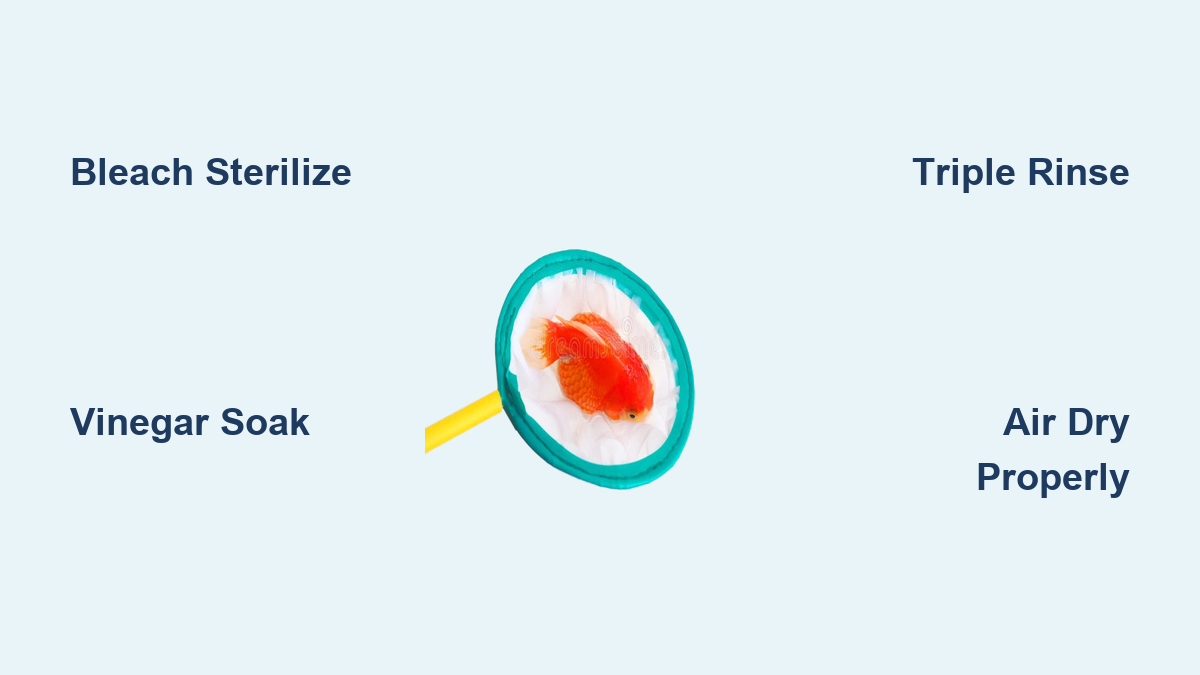
- Commercial Disinfectant Soak (Daily/Weekly Use): Use products like Seachem Net Soak for routine cleaning. Soak nets between uses in a dedicated container—no rinsing required. Ideal for nets used in healthy community tanks.
- Vinegar Soak (Light Debris Removal): Mix equal parts white vinegar and water for 60 minutes. Effective for algae and mineral deposits but won’t kill resilient parasites. Best after routine tank maintenance.
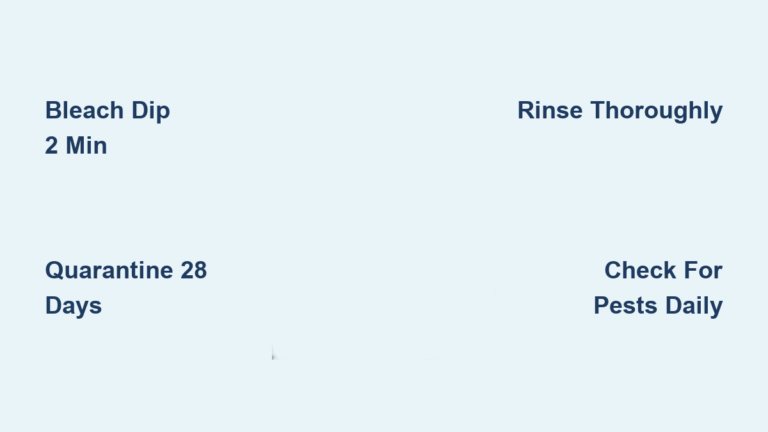
- Bleach Sterilization (Disease Outbreaks): Mandatory after handling sick fish, introducing new livestock, or using nets in quarantine tanks. Kills 99.9% of pathogens but requires meticulous rinsing.
Critical decision point: Did your net contact sick fish or a new tank? → Bleach method. Only used in stable community tank? → Commercial soak. Just removing plant trimmings? → Vinegar rinse.
Bleach Sterilization Protocol: The Nuclear Option That Saves Lives

When disease threatens your entire aquarium, bleach is the only method that guarantees complete pathogen elimination. But one misstep turns this solution into a death sentence for fish.
Prepare the Solution Correctly (Avoid Net Damage)
Grab two dedicated containers—one for bleach solution, one for rinsing. Never use kitchenware. Mix 9 parts cool tap water with 1 part unscented household bleach (5.25% sodium hypochlorite). Always add bleach to water—reversing this causes dangerous fumes. For a standard net, use 9 cups water + 1 cup bleach. Warm water accelerates fiber degradation, so keep it cool.
Soak for Exactly 15 Minutes
Submerge only the net mesh—avoid prolonged contact with metal frames to prevent corrosion. Set a timer: 10 minutes risks incomplete sterilization, while 25+ minutes melts nylon mesh. Watch for bubbling indicating active disinfection. If residue remains after soaking, gently scrub with a soft toothbrush before bleaching—not after.
Triple-Rinse Until Fish-Safe (Non-Negotiable)
This 45-minute process prevents chlorine poisoning:
1. Tap rinse: Hold under cold running water for 2 full minutes, flexing mesh to flush trapped solution.
2. Dechlorinator bath: Soak in 5 gallons dechlorinated water + full dose of Seachem Prime (1 cap per 5 gal) for 30 minutes minimum.
3. Final verification rinse: Repeat dechlorinator bath for 15 minutes. Pro tip: Test with API Chlorine & Chloramine Test Kit—any reading above 0 ppm means repeat rinsing.
Warning: Skipping the dechlorinator bath is the #1 cause of bleach-related fish kills. Residual chlorine destroys gills within minutes.
Commercial Disinfectant Method: The Daily Defense System

For nets used exclusively in stable community tanks, commercial soaks offer foolproof protection without rinsing hassles.
Create Your Net Soak Station
Fill a 1-gallon container with aquarium-safe solution like Fritz Aquatics Net Soak diluted per label (typically 1 oz per gallon). Label it clearly “FISH NET ONLY.” Store it near your tank but away from sunlight to prevent solution degradation.
The 24/7 Sterilization Cycle
After each use, dip the net in your tank water to remove debris, then submerge in the soak solution. Leave it there between uses—the solution continuously disinfects. Before next use, lift the net and let excess drip into the container for 10 seconds. Never pour used solution back into the main container.
Pro tip: Refresh the solution weekly. Cloudy or discolored liquid means it’s saturated with pathogens—dump and remake immediately.
Vinegar Soak: The Gentle Cleaner for Routine Maintenance
Use this when your net shows algae buildup but no disease risk—like after pruning plants or cleaning glass.
Execute the 60-Minute Refresh
Soak the net in 50/50 white vinegar and water for exactly one hour. Full-strength vinegar risks weakening mesh fibers over time. For stubborn calcium deposits, add 1 tbsp citric acid to the solution.
Rinse Like Your Fish Depend On It (They Do)
Rinse under warm tap water for 60 seconds, then soak in dechlorinated water for 15 minutes. Critical check: Smell the net—if you detect vinegar odor, repeat rinsing. Residual acidity burns fish skin.
Drying and Storage: Where Most Hobbyists Fail

A perfectly cleaned net becomes dangerous if stored incorrectly. Moisture trapped in mesh breeds mold spores that explode into your tank during next use.
Air-Dry Like a Pro
After rinsing, shake the net 5 times over a sink. Never twist or wring—it distorts mesh and severs stitching. Lay flat on a clean microfiber towel or hang vertically from the handle over a drying rack. Key visual cue: Mesh should look completely translucent with no water beading. This takes 4-8 hours depending on humidity.
Store to Prevent Recontamination
Once bone-dry, store nets upright in a dedicated container like a plastic cup with holes drilled in the sides. Never leave them coiled in damp cabinet corners. For multi-tank users, assign color-coded nets (e.g., blue for community, red for quarantine) stored in separate sealed bins.
Critical Safety Checks Before Every Use
Skipping these 30-second inspections risks fish injury:
- Mesh integrity test: Hold net against light. Any holes larger than a grain of sand mean replace it immediately—frayed edges snag fish scales.
- Smell test: Faint chemical odor? Return to rinsing cycle. Must be odorless.
- Frame check: Rust on metal frames releases toxins—sand it smooth or discard the net.
Pro tip: Keep a $2 quarantine net (red handle) exclusively for sick fish. Store it in a sealed bag with its own vinegar soak solution.
When to Retire Your Fish Net
Nets aren’t forever. Replace yours immediately if:
– Mesh develops permanent kinks or holes
– Metal frames show pitting corrosion
– Plastic handles become brittle
– You’ve used it during a severe disease outbreak (even after bleaching)
Prevention shortcut: Buy 3 identical nets—one per major tank zone. Rotate them weekly so each gets thorough drying time. This simple system cuts disease risk by 70% according to aquarium vets.
Cleaning your aquarium fish nets isn’t just maintenance—it’s your first line of defense against tank-wide disasters. By implementing the bleach protocol after disease scares, using commercial soaks for daily protection, and storing nets vertically to dry completely, you transform this humble tool from a contamination risk into a disease barrier. Remember: a single contaminated net can wipe out months of tank cycling in 48 hours. But with these precise methods, you’ll keep your nets sterile, your fish thriving, and your aquarium ecosystem resilient. Start tonight—grab that net hiding in your cabinet and give it the 15-minute vinegar refresh it deserves. Your fish are counting on you.