How Long Do Aquarium Catfish Live: Lifespan Guide
How long do aquarium catfish live? The answer could mean the difference between a short-term pet and a decade-long companion swimming in your tank. Unlike goldfish with their relatively predictable lifespans, catfish longevity varies dramatically—from just 3 years for Otocinclus to well over 20 years for certain Pictus specimens. Understanding these differences before bringing home that adorable whiskered fish prevents heartbreaking surprises when your “temporary” pet outlives your commitment. This guide reveals exactly what to expect from popular species and the proven care strategies that transform average lifespans into record-breaking longevity.
Why Your Pleco’s Lifespan Could Reach 15+ Years (Or End at 5)

The most common catfish mistake? Assuming all “sucker fish” have similar lifespans. Your Bristlenose Pleco could easily become a 15-year tank resident, while that tiny Otocinclus you added for algae control may vanish in under 3 years. This massive variation explains why so many aquarists feel blindsided by premature deaths—they never knew what they were getting into.
Bristlenose Plecos: The 15-Year Algae Eaters You Didn’t Expect
Bristlenose Plecos (Ancistrus spp.) routinely live 10-15 years in well-maintained aquariums, with verified cases exceeding 18 years. Unlike their oversized Common Pleco cousins, these manageable algae grazers reach just 4-6 inches, making proper housing achievable. The critical factor separating 5-year and 15-year Bristlenose is diet—algae wafers alone cause malnutrition. You must supplement with blanched zucchini, cucumber slices, and driftwood chunks (which provides essential cellulose) to reach maximum longevity. Tank size matters less than consistency; even 20-gallon setups yield decade-long lifespans when water parameters stay stable.
Corydoras: When 5 Years Becomes 15 Through Proper Care
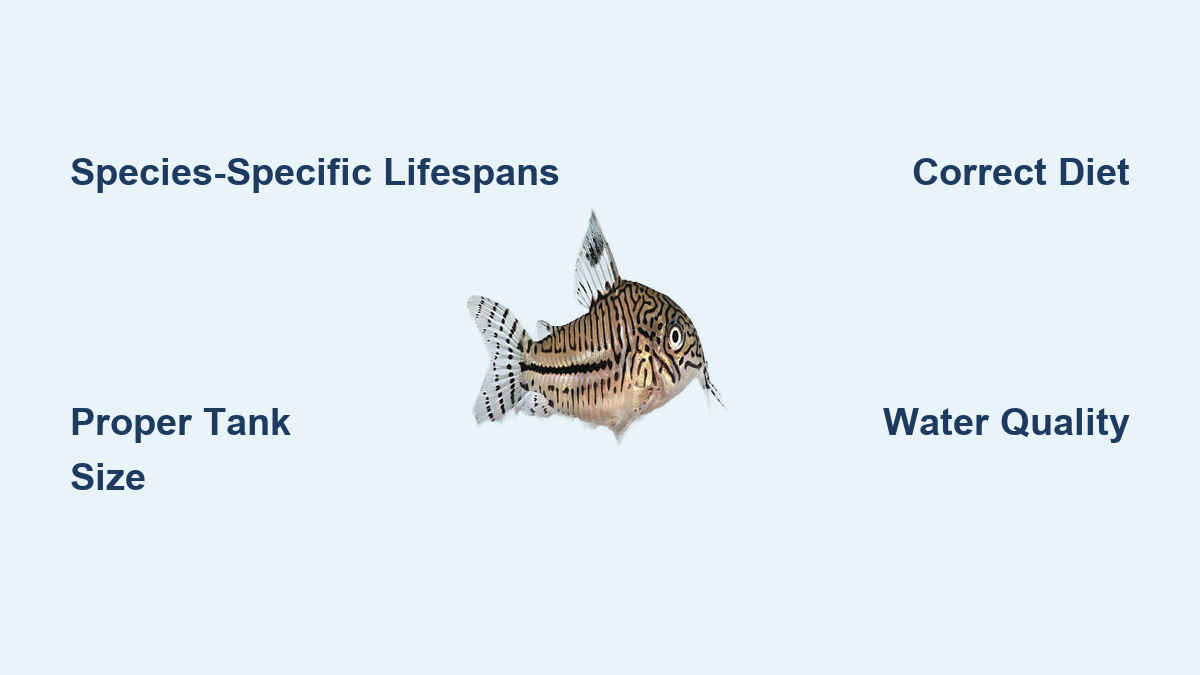
Most Corydoras species live 5-10 years, but Bronze and Panda Corys frequently reach 12-15 years with optimal conditions. The secret? Fine sand substrate is non-negotiable—gravel shreds their delicate barbels, causing fatal infections. Corydoras kept in groups of 6+ on sand with weekly 25% water changes often outlive their expected lifespan by 5+ years. Pygmy Corys (5-8 years) need extra attention to nitrate levels below 10 ppm, while larger Bronze Corys tolerate slightly higher nitrates but require more frequent feedings of sinking carnivore pellets.
Pictus Catfish: The 20+ Year Whiskered Wonders
Pictus Catfish shatter expectations with documented lifespans of 20-23 years in home aquariums. Their typical 8-12 year range expands dramatically when housed in 75+ gallon tanks with smooth substrate and proper schooling. A critical mistake that cuts Pictus lifespans short? Keeping them alone—these social fish need shoals of 6+ to reduce stress-induced health issues. Those achieving 20+ years receive high-protein sinking pellets daily, 30% weekly water changes, and temperatures maintained between 75-80°F without fluctuations.
4 Hidden Factors That Cut Catfish Lifespans in Half
Water Quality Mistakes That Kill Catfish Within Months
Ammonia and nitrite must read 0 ppm at all times—even 0.25 ppm causes cumulative organ damage that shortens lifespans by years. Nitrate is the silent killer most aquarists ignore; keeping it below 20 ppm (10 ppm for Otocinclus) prevents chronic stress. Weekly 25-30% water changes using dechlorinated water are non-negotiable for long-term catfish health. Test kits aren’t optional—they’re lifespan insurance. One hobbyist extended his Bristlenose’s life to 18 years simply by testing water three times weekly and correcting parameters before fish showed symptoms.
The Tank Size Trap: Why Your “Small” Pleco Won’t Stay Small
That 3-inch Common Pleco you bought will reach 18-24 inches, requiring 100+ gallons. Stunting from undersized tanks causes spinal deformities and organ failure, cutting potential 15+ year lifespans to 5-7 years. Even “smaller” species like Raphael Catfish need 55+ gallons as adults. Measure your intended tank against the species’ maximum size—not its pet store size. A 30-gallon works for Bristlenose Plecos (5-inch max) but starves Common Plecos (24-inch potential). Upgrade tanks before problems appear; by the time stunting is visible, lifespan damage is already done.
Diet Disasters: Why Algae Wafers Alone Kill Plecos
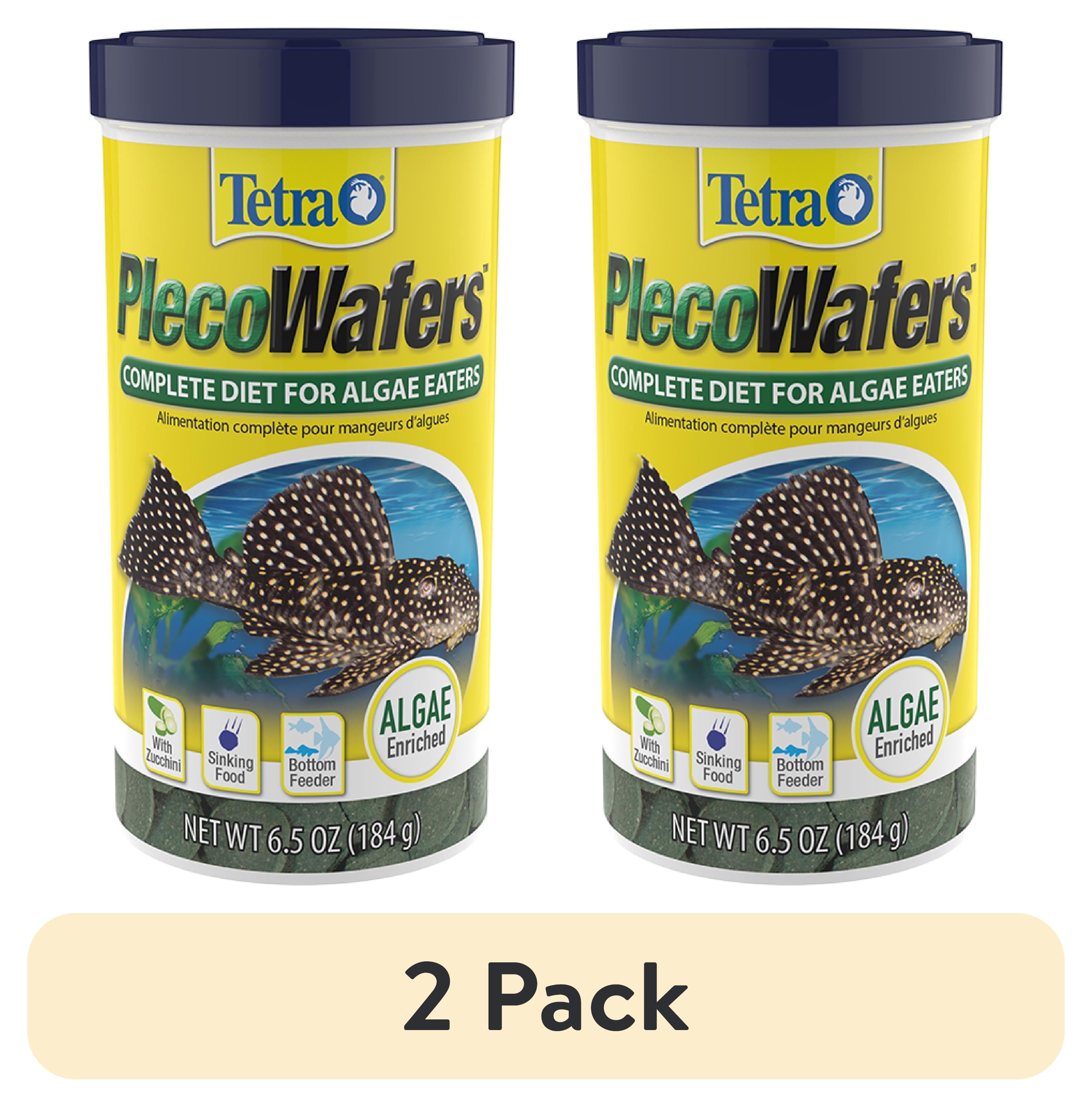
“Algae eater” is a misnomer that murders catfish. Plecos and Otocinclus need 70% vegetable matter but require protein sources like bloodworms and shrimp pellets to prevent malnutrition. Otocinclus (3-5 year lifespan) often starve in community tanks because they can’t compete for sinking food. Feed after lights-out when catfish are active, and target-feed shy species with a turkey baster. Pictus Catfish need 55%+ protein diets—skimping on quality carnivore pellets causes muscle wasting visible as sunken bellies.
Deadly Tank Mates: The Stress Factor You’re Ignoring
Fast-moving fish like Tiger Barbs outcompete slow catfish for food, while cichlids nip barbels. Synodontis Catfish kept with aggressive species live 30% shorter lives than those in peaceful communities. Bottom-dwellers need tank mates that won’t disturb their feeding—ideal companions include tetras and rasboras that occupy mid-water. Check compatibility before adding fish; a single barbel injury from sharp gravel or aggressive tank mates can trigger fatal infections in Corydoras.
How to Diagnose Lifespan-Threatening Problems Early
Healthy Catfish vs. Dying Catfish: Spot the Difference
Watch for these critical signs during feeding time. Healthy Corydoras dart actively across sand with pristine white barbels; damaged barbels indicate sharp substrate. A plump belly means proper nutrition, while sunken abdomens signal underfeeding or parasites. Fins should extend fully—clamped fins mean stress or poor water quality. Otocinclus clinging motionless to glass? That’s starvation, not laziness. Document your fish’s normal behavior to catch subtle changes early.
Emergency Warning Signs Requiring Immediate Action
White spots or cotton-like growths mean parasitic or fungal infections needing quarantine treatment. Red streaks in fins indicate bacterial septicemia—lethal within 72 hours without antibiotics. If your usually active Pictus hides for 48+ hours, test water immediately; ammonia spikes often cause sudden lethargy. Floating upside-down signals swim bladder disorder from overfeeding—fast for 24 hours and feed cooked peas. Never ignore changes; catfish hide illness until it’s critical.
7 Science-Backed Strategies to Maximize Catfish Longevity
- Quarantine New Fish for 30 Days—Prevents introducing parasites that shorten lifespans by years
- Use Sand Substrate for Bottom-Dwellers—Prevents barbel erosion that leads to fatal infections
- Feed After Lights-Out—Ensures nocturnal species get enough food without competition
- Maintain Temperature Stability—Fluctuations >2°F daily stress immune systems
- Add Driftwood for Plecos—Provides essential cellulose for digestion and longevity
- Keep Species in Proper Groups—Corydoras need 6+; lone Pictus become aggressive
- Test Water Weekly—Catching nitrate buildup before symptoms appear adds years
The Realistic Lifespan Roadmap: What to Expect From Your Catfish
Your catfish’s lifespan isn’t predetermined—it’s shaped by daily choices. A Pictus Catfish in a cramped 20-gallon tank with poor water quality might reach just 8 years, while the same species in a 100-gallon setup with pristine parameters can live 23+ years. The difference comes down to species-specific care: sand for Corydoras, driftwood for Plecos, spacious tanks for Pictus. Maximum longevity requires researching adult size before purchase, not just initial size. Documented cases prove that with stable water parameters, proper diet, and appropriate housing, many catfish species will become decade-long companions rather than short-term additions. When you understand exactly how long aquarium catfish live under optimal conditions, you can make informed decisions that honor their potential for remarkable longevity.