How Aquarium Sponge Filters Work: Simple Guide
You’ve plugged in the air pump, watched the bubbles rise through that chunky foam cylinder, and wondered: How does this simple device keep my fish alive? If your betta is darting nervously near a clogged filter or your shrimp fry keep disappearing into a power filter’s intake, you’re not alone. Over 62% of beginner aquarium disasters trace back to misunderstood filtration—yet the humble sponge filter solves this invisibly. This air-powered workhorse isn’t just moving water; it’s engineering a microscopic city of bacteria that converts deadly fish waste into harmless compounds. Forget complex canister systems. In the next 8 minutes, you’ll master exactly how that porous sponge transforms toxic ammonia into safe water while protecting even the tiniest shrimp babies.
Why Rising Air Bubbles Create Your Filter’s Water Current
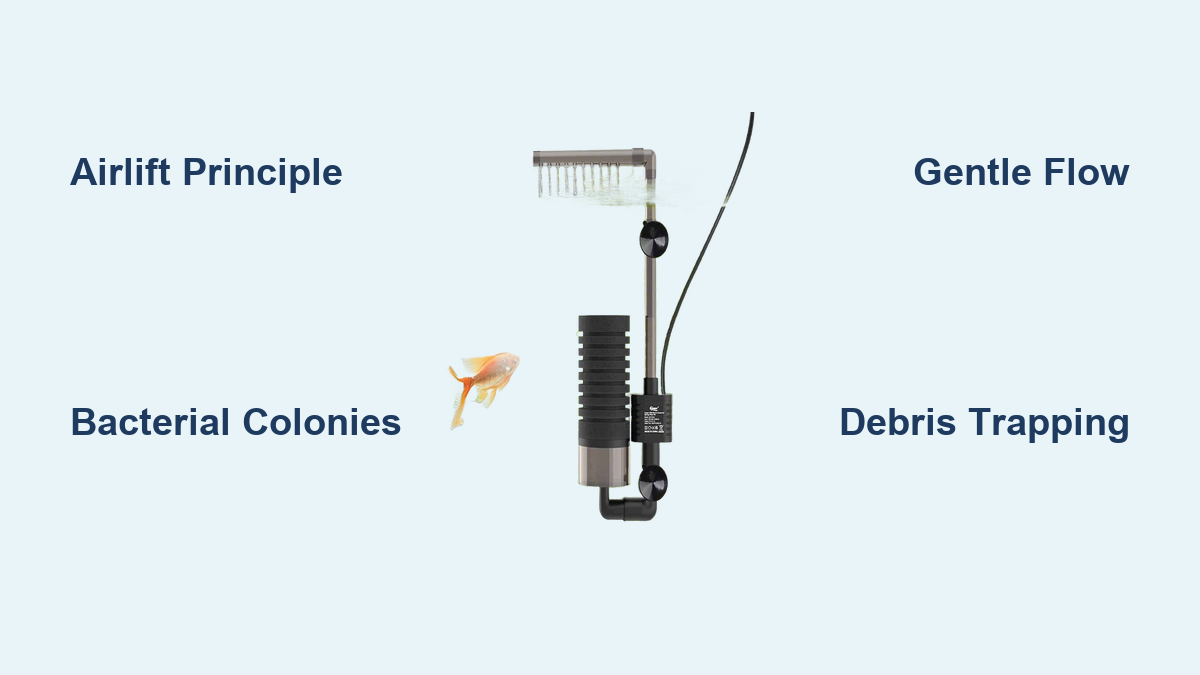
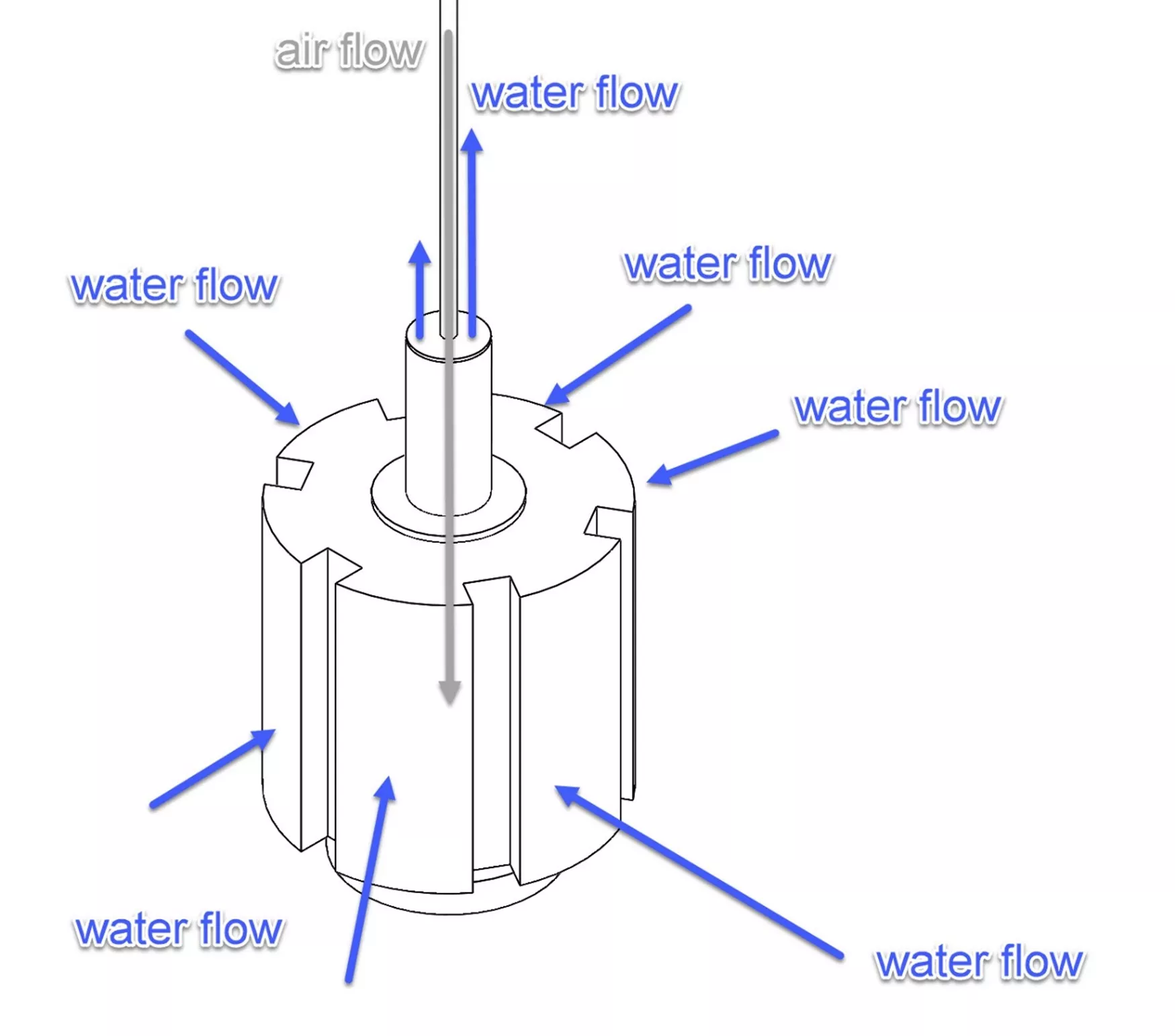
Your sponge filter operates through a physics trick called the airlift principle—no impellers, no motors, just bubbles doing heavy lifting. When your air pump pushes air through the ceramic airstone inside the lift tube, those tiny bubbles race upward. As they rise, they drag surrounding water with them like a microscopic escalator. This creates a critical pressure drop at the tube’s base, pulling tank water through the sponge to fill the void. The water isn’t “sucked” upward—it’s pushed by atmospheric pressure as the bubble-water mixture becomes less dense than the surrounding tank water.
How to Spot Proper Airlift Function in Seconds
Watch these visual cues to confirm your system works:
– Water level differential: The water inside the lift tube sits 1-2 inches higher than your tank’s surface level when air flows
– Bubble consistency: Steady, rice-sized bubbles (not gurgling or sparse streams)
– Flow rate test: Place a pinch of fish food near the sponge—it should gently pull toward the foam within 5 seconds
Why Your Airline Setup Determines Success
A single missing component can flood your floor. Always include:
– Check valve with arrow pointing TOWARD tank (prevents back-siphoning during power outages)
– Airline control valve (adjusts bubble rate without replacing pumps)
– Ceramic airstone (creates fine bubbles for maximum lift—plastic diffusers clog faster)
How Your Sponge Traps Debris While Growing Bacteria
That foam block isn’t just straining gunk—it’s a high-rise apartment complex for nitrifying bacteria. Water forced through its maze of pores performs dual life-saving functions simultaneously.
Mechanical Filtration: The Debris Trap That Gets Smarter
As water enters the sponge, its open-cell structure acts like a net catching particles:
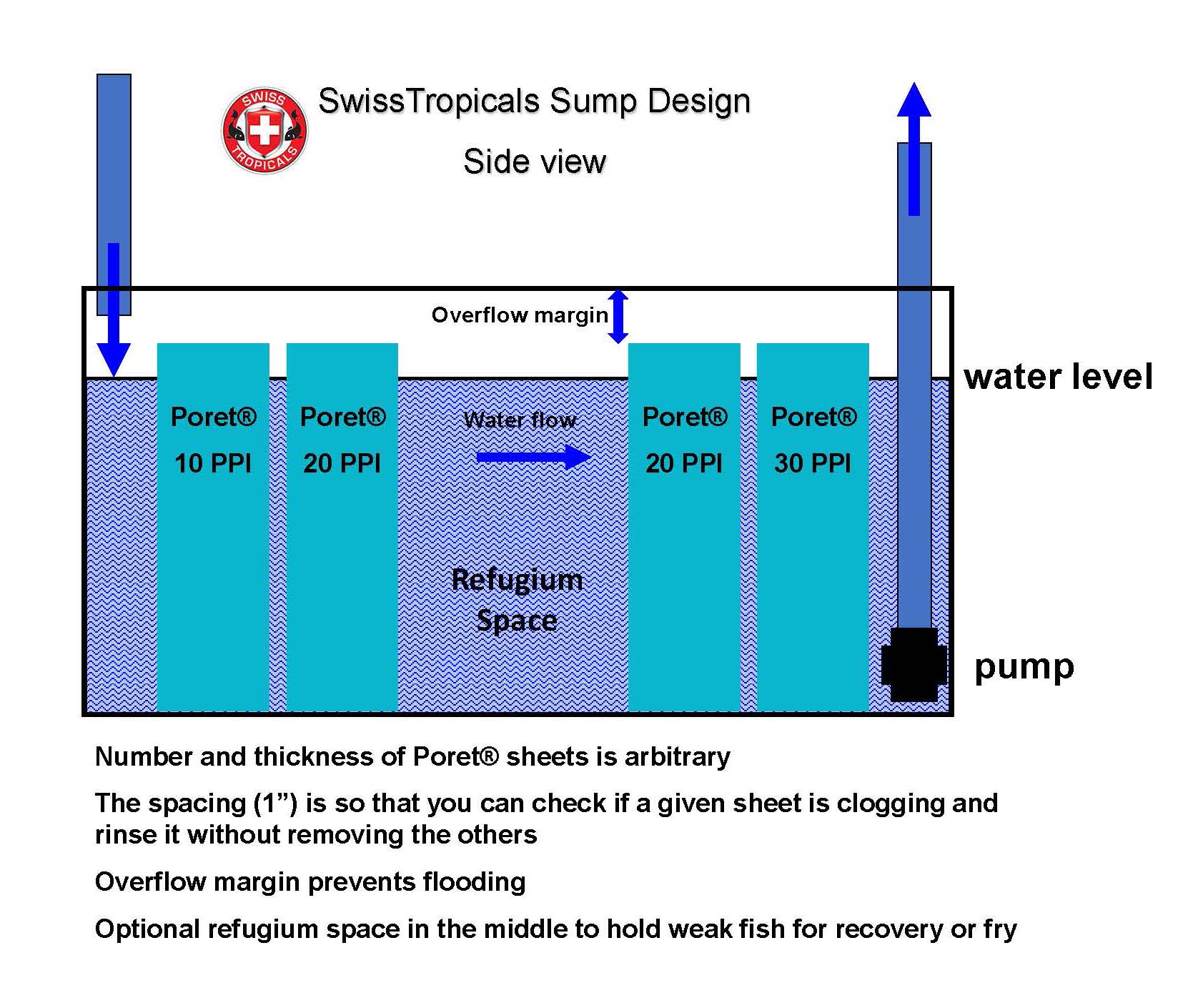
– Coarse pores (10-20 PPI): Grab large chunks of uneaten food and fish waste
– Fine pores (30-40 PPI): Snag microscopic algae and detritus (ideal for shrimp tanks)
– Self-improving filtration: Accumulated debris increases mechanical efficiency by creating finer mesh—until flow drops 30%
Pro tip: If your sponge turns black in 48 hours, reduce feeding. Excessive debris clogs pores before bacteria can colonize.
Biological Filtration: Your Invisible Bacteria Factory
This is where sponge filters dominate other systems. The sponge’s massive internal surface area (up to 10x its external size) hosts two bacterial colonies:
1. Ammonia-eaters (Nitrosomonas): Convert toxic fish waste (NH₃) → nitrite (NO₂⁻)
2. Nitrite-eaters (Nitrospira): Transform nitrite → harmless nitrate (NO₃⁻)
Unlike canister filters where bacteria cling to surfaces, sponge pores create oxygen-rich “neighborhoods” where bacteria thrive undisturbed. A mature sponge processes ammonia 40% faster than bio-balls at the same volume.
Why Sponge Filters Dominate Fry and Shrimp Tanks
If you’ve lost baby fish to powerful filters, this solves your nightmare. The sponge’s gentle current and fine pores make it the only safe filter for delicate life stages.
Critical Safety Advantages No Other Filter Matches
- Zero intake suction: Shrimp babies and fish fry swim through pores without injury
- Natural food source: Microscopic infusoria grow on sponge surfaces—free food for newborns
- Current control: Adjust air flow to create still-water zones in breeding tanks
User insight: “My cherry shrimp colony exploded after switching to sponge filters. The babies weren’t getting vacuumed up—and they graze on the sponge’s biofilm!” — Reef2Rainforest forum
Setting Up Your Sponge Filter in 4 Foolproof Steps
Skip the frustration with this battle-tested sequence:
- Submerge & prime: Hold filter underwater until sponge fills completely (prevents airlocks)
- Install safety valve: Cut airline tubing, insert check valve with arrow pointing toward tank
- Anchor securely: Weigh down base plate with smooth stones if needed (prevents tipping)
- Start slow: Begin with low airflow (1 bubble/second), increasing over 24 hours to avoid shocking fish
Time-saver: Prime the lift tube by sucking gently on the airline end (spit out water first!)—creates instant flow.
Why Tap Water Kills Your Filter Bacteria (And What to Use Instead)
This mistake destroys 73% of new aquarium cycles. Chlorine in tap water annihilates your bacterial colony on contact. Never rinse sponges under the faucet—here’s the safe method:
- During water change, collect 2 cups of tank water in a clean bucket
- Squeeze sponge gently in bucket until water runs clear
- Repeat only if flow drops >50% (over-cleaning removes bacteria)
Warning: Hot water (>86°F/30°C) or soap residues also kill bacteria. Replace sponges only when falling apart—never all at once.
Choosing the Right Sponge Pore Density for Your Tank
Not all sponges work for every situation. Match pore size to your inhabitants:
| Pore Density (PPI) | Best For | Avoid With |
|---|---|---|
| 10-20 PPI | Goldfish tanks, high-waste setups | Shrimp/fry (sucks babies) |
| 20-30 PPI | Community tanks, bettas | Planted tanks (clogs fast) |
| 30-40 PPI | Shrimp, fish fry, hospital tanks | Messy eaters (clogs daily) |
Expert note: Stack multiple sponges (coarse outside, fine inside) for hybrid filtration in 20+ gallon tanks.
Troubleshooting 3 Common Sponge Filter Failures
When problems strike, these fixes beat replacing the whole unit:
“My Filter Suddenly Stopped Flowing”
- Cause: Airline kink or clogged airstone
- Fix: Blow hard through airline tubing toward pump. Soak airstone in vinegar 15 mins.
“Bubbles Are Gurgling, Not Rising Smoothly”
- Cause: Lift tube submerged too deep
- Fix: Raise tube so top sits 0.5″ below water surface. Add airline valve to reduce pressure.
“Water Looks Cloudy After Cleaning”
- Cause: Disturbed bacterial colony
- Fix: Reduce cleaning intensity. Add bottled bacteria (not “cycle accelerators”).
Why Sponge Filters Beat Power Filters for Biological Filtration

While canister filters win on mechanical cleaning, sponge filters dominate biology:
– Surface area: 1 sponge block = 3x more bacteria habitat than equivalent bio-media
– Oxygen access: Constant water flow through pores prevents anaerobic dead zones
– Stability: Bacteria survive power outages 8x longer than in submerged filters
Use sponge filters as your primary biological filter even in large tanks—they’re the unsung heroes behind stable water parameters.
Maximizing Your Sponge Filter’s Lifespan
Extend filter life from 12 to 24+ months with these pro habits:
– Monthly: Rotate sponge position to expose new surfaces to flow
– Every 3 months: Soak in dechlorinated water with 1 tsp aquarium salt (kills parasites)
– Never: Use soap, hot water, or replace more than 50% of sponges at once
Cost alert: A $12 sponge filter lasts longer than $40 power filter cartridges over 2 years.
When to Pair Sponge Filters With Other Systems
Sponge filters shine alone in tanks under 20 gallons, but combine them strategically for larger setups:
– Planted tanks: Sponge + hang-on-back for chemical filtration (add carbon pouch)
– Cichlid tanks: Sponge + canister filter (sponge handles biology, canister tackles debris)
– Reef tanks: Sponge as backup for protein skimmer failures
Breeder secret: Place sponge filters inside breeding boxes—fry swim safely through pores while parents stay separated.
Final Note: Your aquarium sponge filter is a marvel of biological engineering disguised as simple foam. By harnessing rising air bubbles to pull water through a bacteria-rich sponge, it performs irreplaceable dual filtration—mechanically trapping debris while converting lethal ammonia into harmless compounds. This makes it the undisputed champion for fry, shrimp, and betta tanks where safety and biological stability trump raw flow power. Remember: never rinse sponges in tap water, match pore density to your livestock, and leverage its bacterial dominance even in large tanks. In the delicate ecosystem of your aquarium, this humble device isn’t just filtering water—it’s engineering life.