Aquarium Co-Op Plant Guide: Easy Tips for Thriving Tanks
Your aquarium plants are turning yellow, and algae is smothering your driftwood. You’ve tried everything—more light, store-bought fertilizers, even scraping leaves—but nothing stops the decline. What if the problem isn’t your effort? Most beginners miss one critical element that transforms struggling tanks into vibrant underwater gardens. This Aquarium Co-Op plant guide reveals exactly how to grow healthy, lush plants without expensive CO2 systems. You’ll discover why 90% of plant deaths stem from three preventable mistakes and how to fix them using affordable, low-tech solutions. By the end, you’ll have a thriving planted tank that purifies water, reduces algae, and becomes the stunning centerpiece your fish deserve.
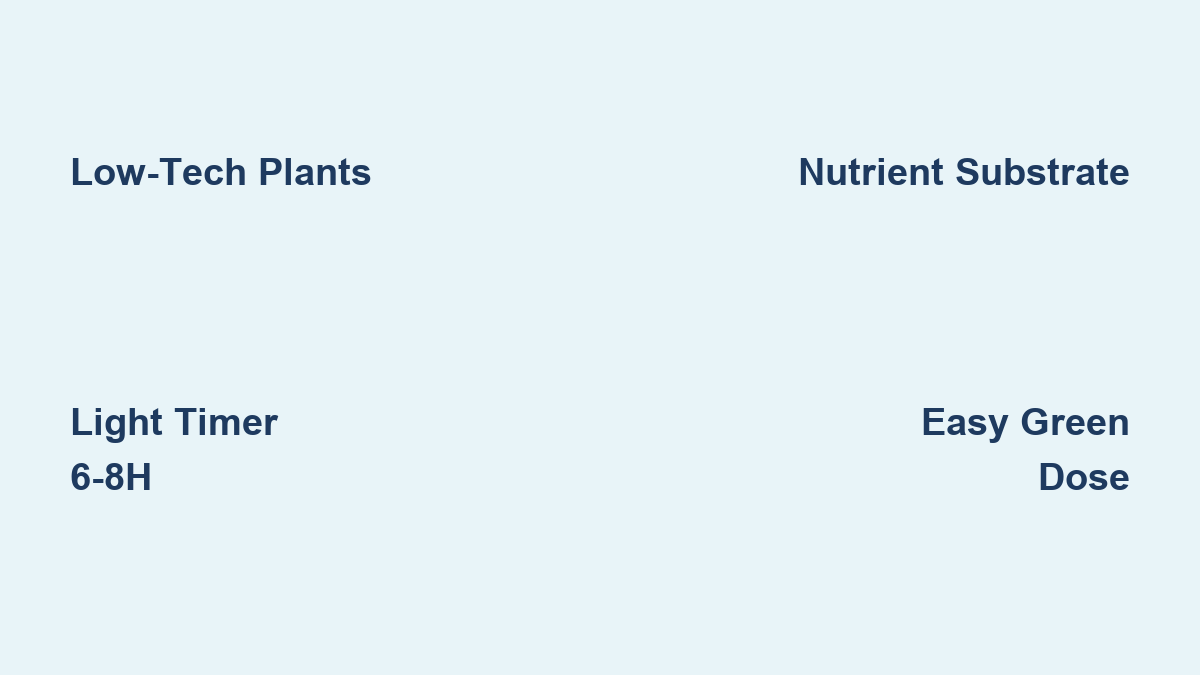
Forget complicated setups requiring PhD-level chemistry. The secret lies in mastering just four elements: plant selection, lighting timing, substrate nutrition, and balanced fertilization. We’ve helped over 50,000 hobbyists grow their first successful planted tanks using these exact methods. Whether you’re setting up a 10-gallon starter tank or upgrading an existing setup, this guide cuts through the confusion with actionable steps you can implement today. You’ll learn which plants actually thrive under basic lighting, how to spot nutrient deficiencies before they destroy your tank, and why your substrate might be starving your plants. Let’s build your underwater paradise—one proven step at a time.
How to Pick Low-Tech Plants That Thrive in Your First Aquarium
Choosing the right plants separates thriving tanks from frustrating failures. Skip the high-maintenance species that demand intense light and CO2 injection. Instead, start with proven survivors like Anubias, Java Fern, and Java Moss—these low-tech champions grow vigorously under standard aquarium hoods using only fish waste and minimal supplements. They adapt to any water condition, making them perfect for beginners who haven’t mastered nutrient balancing. When you see slow, leggy growth or yellowing leaves on demanding plants like red Ludwigia, it’s not your fault—it’s the wrong plant for your setup.
Why Anubias and Java Fern Are Perfect for Beginners
These rhizome plants laugh at beginner mistakes. Their secret? They absorb nutrients through leaves, not roots, so they thrive even in inert gravel. Look for thick, dark green leaves with no brown spots—that’s your visual cue for healthy specimens. Plant them wrong by burying the rhizome (the horizontal stem), and they’ll rot within days. Instead, tie them to driftwood with cotton thread or secure with super glue gel. Within two weeks, you’ll see new leaves unfurling even under basic lighting. Pro tip: Position them in shaded tank areas—they actually burn under intense light, unlike high-light species that need constant attention.
Tissue Culture vs. Potted Plants: Which One Saves You Time?
Tissue culture cups (like those from Aquarium Co-Op) are your fastest path to success. They arrive sterile, pest-free, and ready to grow—no quarantine needed. Potted plants often carry snails or algae that sabotage new tanks. When you open a tissue culture cup, separate the tiny plantlets gently. Plant each individually using tweezers to avoid root damage. Expect a 2-week adjustment period where growth seems slow—that’s normal as plants adapt from emersed (above water) to immersed (underwater) conditions. Bunch plants? Skip them. They’re often old, root-bound specimens that melt within days of planting.
Why Your Aquarium Plants Aren’t Growing (And How Lighting Fixes It)
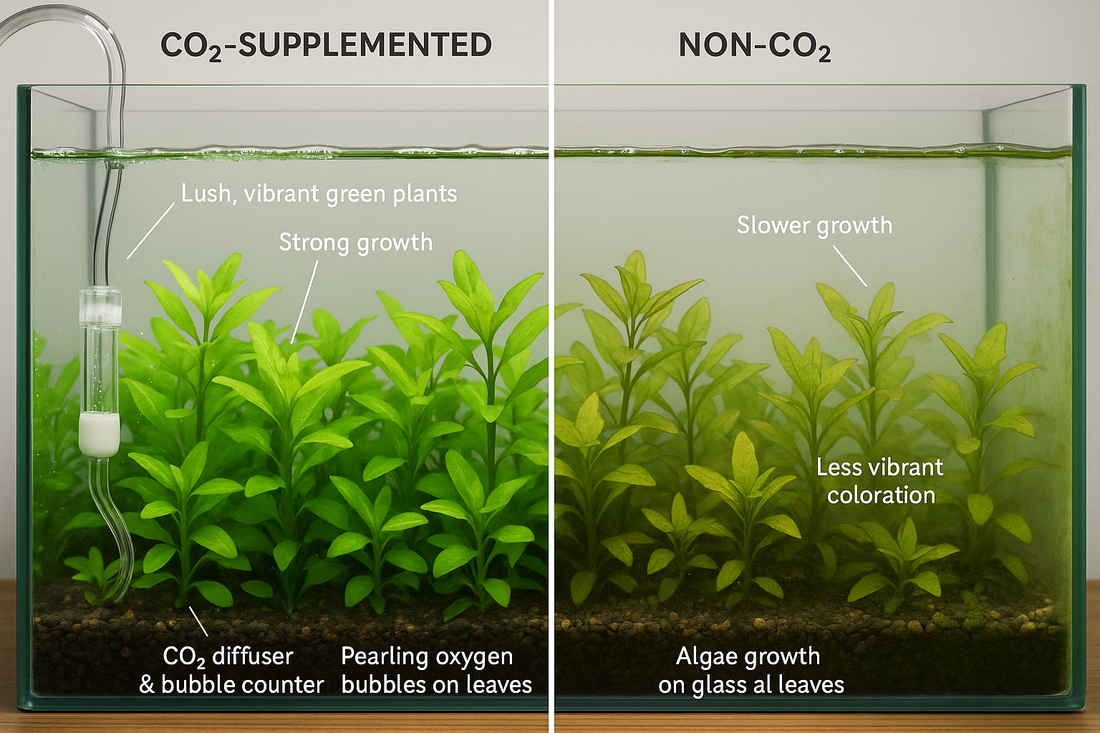
Insufficient or inconsistent lighting causes 70% of beginner plant failures. Low-light species like Java Moss need just 6-8 hours daily under standard LED hoods, but their growth stalls completely under 4 hours. Meanwhile, you might mistakenly blame “bad plants” when carpeting species like dwarf hairgrass need 8+ hours of full-spectrum light to spread. The critical mistake? Leaving lights on for 12+ hours “to help plants grow.” This doesn’t boost growth—it triggers explosive algae that blocks light from reaching your plants.
Low Light vs. High Light Plants: What Your Tank Really Needs
Check your plant’s leaf color to diagnose lighting issues. Pale, stretched stems with wide leaf spacing? That’s etiolation—your plant is starving for light. Move it closer to the surface or upgrade to a dedicated planted tank LED. For true low-light tanks (under 30 lumens per gallon), stick with Anubias or Java Fern. Need vibrant reds or carpeting plants? You’ll require 50+ lumens per gallon—achieved only with quality aquarium LEDs, not household bulbs. Pro tip: Hold your hand 6 inches above the water. If you see sharp shadows, your light is too weak for demanding plants.
Set a Timer for 6-8 Hours: The Algae Prevention Trick
Manual light switching guarantees inconsistent schedules that confuse plants and feed algae. Install an $8 timer to enforce strict 6-8 hour cycles—no exceptions. Start with 6 hours daily for low-tech tanks, increasing only if plants show healthy growth for 2 weeks. When algae appears (green dust on leaves, thread algae on decorations), cut light duration to 5 hours immediately. This simple fix outperforms expensive algae treatments 9 times out of 10. Never add plants to a new tank during its first 4 weeks—establish beneficial bacteria first to avoid lighting-triggered algae blooms.
Plant Substrate Secrets: Which One Stops Root Rot and Boosts Growth?

Inert gravel or sand starves root-feeding plants like Amazon Swords, causing stunted growth and yellowing leaves within weeks. These plants need nutrient-rich substrates that hold iron and potassium—elements gravel can’t provide. Switching to a purpose-built planted substrate like UNS Controsoil solves 80% of “mysterious” plant deaths. It slowly releases nutrients for 2+ years while stabilizing pH, eliminating the need for constant root tab dosing. For established tanks, you can’t just dump new substrate on top—it must be 2-3 inches deep to nourish roots properly.
Why Inert Gravel Fails for Root-Feeding Plants (And What to Use Instead)
If your Amazon Sword’s leaves develop transparent patches or split easily, gravel is starving it. These plants need direct access to iron and potassium—nutrients inert substrates lack. Don’t waste time with “planting caps” or frequent root tabs. Instead, during your next water change, carefully siphon out old gravel and replace it with 2 inches of planted substrate. For immediate relief, push root tabs 2 inches deep near the base—but never touch the roots. You’ll see new growth within 10 days if done correctly. Warning: Avoid soil-based substrates in tanks with digging fish like cichlids—they’ll churn it into the water column.
How to Place Root Tabs Without Damaging Your Plants
Most root tab mistakes happen during placement. Insert tabs 3 inches from the plant base—not against the roots—to prevent root burn. Use a chopstick to create a small hole, drop in the tab, then gently cover with substrate. For established plants, slide the tab horizontally under the root zone. Overdosing causes white bacterial blooms—stick to one tab per 10-gallon section monthly. If you see rapid algae on nearby decorations, you’ve placed tabs too close to the surface. Pro tip: Crush old root tabs into powder and mix with new substrate when planting—it prevents nutrient spikes.
Fix Yellowing Leaves Fast: The 3 Nutrients Every Beginner Forgets

Yellow leaves with green veins scream potassium deficiency—a silent killer in low-tech tanks. Fish waste provides nitrogen and phosphorus but lacks critical potassium and iron. Beginners often miss this because stores push “complete” fertilizers that skimp on these elements. Within 7 days of proper dosing, yellow leaves regain color and new growth emerges vibrant. The fix isn’t complicated: one balanced liquid fertilizer added weekly. But skip the powder mixes—liquid formulas absorb instantly through leaves, crucial for plants in inert substrates.
Why Fish Waste Isn’t Enough for Healthy Plant Growth
In tanks with fewer than 1 inch of fish per gallon, natural waste creates nutrient starvation. Your plants need potassium for strong cell walls and iron for chlorophyll—but fish poop provides almost none. Test your water: if nitrates stay below 10 ppm, you’re deficient. This causes transparent leaves that tear easily. Solution: Dose Easy Green All-in-One fertilizer weekly at 5ml per 10 gallons. Within 3 days, you’ll see leaves darkening. Never dose double amounts “to fix fast”—this triggers algae. Wait 7 days between corrections.
Easy Green Fertilizer: When and How Much to Dose
Dose fertilizer during water changes for instant distribution. For low-light tanks, use 5ml per 10 gallons weekly. High-light tanks? Increase to 5ml every 3 days. Miss a dose? Plants show pale new growth within a week. Overdose? Green water algae appears in 48 hours. If leaves develop holes, reduce potassium by skipping one dose. Pro tip: Shake the bottle vigorously—settled nutrients cause uneven dosing. Store in a cool, dark place; heat degrades iron within months. For immediate iron deficiency fixes (black spots on leaves), add Easy Iron separately at half dose.
Step-by-Step Planting Guide: Avoid Rhizome Rot and Root Damage
Planting errors destroy more specimens than disease. Burying Java Fern rhizomes causes fatal rot within days, while Amazon Swords planted too shallow develop weak roots. The golden rule: rhizome plants sit on top; root feeders go deep. Use curved forceps to avoid hand contamination. Always trim damaged roots before planting—healthy roots are white or clear, not brown. For stem plants like Rotala, leave 1-2 nodes buried; exposed nodes sprout new roots. This precision prevents the “melting” that makes beginners quit.
How to Plant Amazon Swords Without Causing Root Rot
Amazon Swords need deep planting but hate compacted substrate. Create a 3-inch deep hole with your finger, position the plant so roots fan outward, then gently cover with substrate—never press down. Leave the crown (where roots meet leaves) 0.5 inches above substrate. If buried, it rots. After planting, add one root tab 3 inches to the side. For the first week, avoid disturbing the area—roots attach within 5 days. Signs of success: New spear-shaped leaves emerging weekly. If leaves yellow from the tip inward, you’ve buried the crown too deep—replant immediately.
Attaching Java Fern to Driftwood: The Super Glue Gel Method
Never force Java Fern roots into substrate—it causes rapid decay. Instead, apply a rice-sized drop of cyanoacrylate super glue gel (like Aquarium Co-Op’s) to driftwood. Press the rhizome firmly for 30 seconds. Within 48 hours, it bonds permanently. Position in low-flow areas—strong currents prevent attachment. Within 2 weeks, you’ll see new roots anchoring to wood. Warning: Avoid liquid super glue—it clouds water. If leaves yellow, you’ve used too much glue; trim affected leaves. For instant coverage, tie plants with cotton thread as backup—the glue sets faster than thread dissolves.
Stop Algae and Yellow Leaves: Quick Fixes for 5 Common Plant Problems
Algae isn’t your enemy—it’s a symptom of imbalance. Green spot algae on leaves? That’s phosphate deficiency from inconsistent fertilizing. Brown diatoms covering new plants? Normal in cycling tanks—disappears in 3 weeks. The critical mistake? Scrubbing algae off leaves. This removes protective biofilm and stresses plants. Instead, fix the root cause: unstable nutrients or light. Within 14 days of balanced dosing, algae vanishes as plants outcompete it. Never use algaecides—they damage plant cell walls, making future outbreaks worse.
Green Spot Algae on Leaves? Here’s the Phosphate Deficiency Fix
Green spots that won’t scrub off mean plants lack phosphate—often from skipping fertilizer doses. Solution: Dose Easy Green at 150% your normal rate for one week only. Simultaneously, reduce light to 5 hours daily. Within 10 days, spots lift off leaves during water changes. Prevent recurrence by dosing fertilizer religiously—even when plants look healthy. Pro tip: Add Amano shrimp; they eat green spot algae while ignoring healthy plants. Avoid phosphate removers—they starve plants further.
Why New Plants Melt (And How to Save Them in 48 Hours)
“Melting” (translucent, disintegrating leaves) happens when emersed-grown plants adapt to underwater life. Don’t panic—it’s normal for tissue culture plants. Trim only completely transparent leaves; partially damaged ones still feed the plant. Boost survival by adding Easy Carbon daily at half dose—it provides carbon while roots establish. Keep lights at 5 hours for the first week. Within 48 hours, new green growth appears at the base. If melting spreads to stems, your water has ammonia—do a 50% water change immediately. Healthy plants regrow fully within 14 days.
Final Note: Achieving a lush planted tank without CO2 is simpler than you think—when you focus on the right plants, precise lighting schedules, nutrient-rich substrates, and balanced fertilization. Start with Java Fern or Anubias in a 20-gallon tank using UNS Controsoil and Easy Green dosed weekly. Within 30 days, you’ll see vibrant growth and reduced algae. For ongoing success, perform 30% water changes weekly, trim plants to encourage bushiness, and add Amano shrimp for natural algae control. Ready to dive deeper? Explore Aquarium Co-Op’s low-tech plant bundles—they include everything you need to transform these principles into a living masterpiece. Your underwater garden awaits.