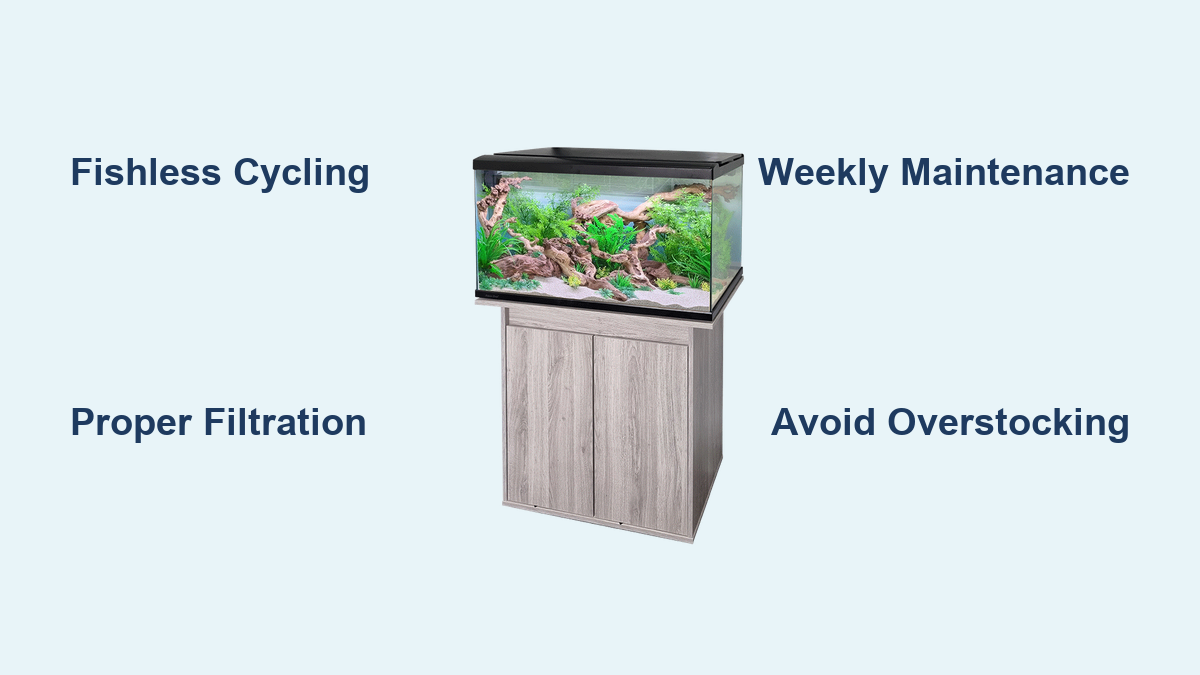
25 Gallon Aquarium Setup Guide
You just brought home your new 25-gallon aquarium, but that empty tank staring back at you feels overwhelming. Where do you even begin? This 25-gallon aquarium setup guide cuts through the confusion with battle-tested steps used by thousands of successful hobbyists. Unlike larger tanks that demand massive space or smaller ones that limit your options, this versatile size supports vibrant communities while fitting comfortably in most homes. By following this proven approach, you’ll avoid the #1 beginner mistake—adding fish before cycling—and create a stable ecosystem where your aquatic life actually thrives. Let’s transform that glass box into a living masterpiece together.
25-Gallon Tank Dimensions: Why Weight Capacity Is Non-Negotiable
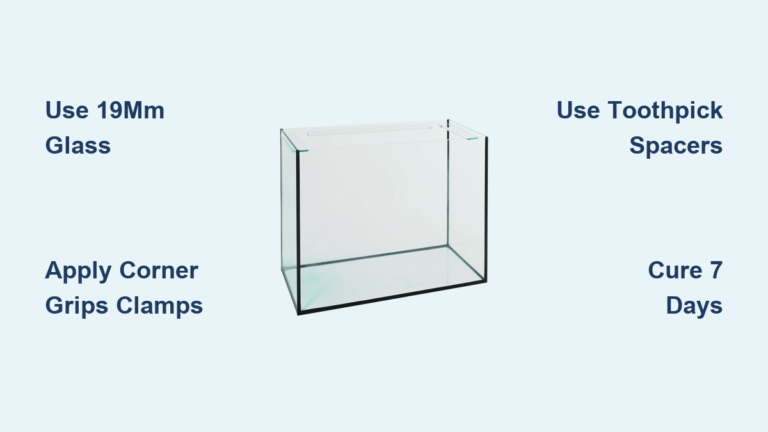
That standard 24″ x 12″ x 20″ tank looks deceptively light in the store, but filled water transforms it into a 200+ pound behemoth. Your biggest risk? Placing it on flimsy furniture that buckles under pressure. Always choose a dedicated aquarium stand rated for at least 250 pounds—never improvise with bookshelves or TV stands. Position it away from direct sunlight to prevent algae explosions and high-traffic zones where vibrations stress fish. For beginners, tempered glass tanks offer durability at lower cost, while acrylic provides better clarity for planted displays (though it scratches easier). Remember: a cracked tank isn’t just a financial loss—it’s an emergency risking your home’s safety.
Glass vs. Acrylic: Which 25-Gallon Tank Wins for You?
- Tempered glass: Best for beginners—scratch-resistant and budget-friendly at $50-$100. Ideal for community tanks with active swimmers like tetras.
- Acrylic: Superior clarity for $100-$150 but requires careful cleaning. Perfect for planted tanks where every leaf detail matters.
- Critical tip: Measure your space before buying! Account for 2 extra inches on all sides for equipment access and maintenance.
Critical Equipment Checklist for Your 25-Gallon Freshwater Tank
.jpg?rev=211d61506a4e442396307e4a22fb54c6)
Skip the overwhelm—these are the only essentials you need for a healthy 25-gallon aquarium setup. Anything extra can wait until your tank cycles. Focus on reliability over flashy features, especially for your first tank.
Filtration: The Lifeline of Your 25-Gallon Ecosystem
Your filter isn’t just a pump—it’s the bacterial colony housing your tank’s immune system. For a 25-gallon tank, choose a filter rated for 40-50 gallons (like the AquaClear 50 or Seachem Tidal 55) to handle waste efficiently. Here’s why:
- Hang-on-back (HOB) filters: Best for beginners—easy to maintain and provides surface agitation for oxygen.
- Canister filters: Ideal for planted tanks—superior mechanical filtration hides equipment but costs more.
- Avoid underpowered filters: A 100 GPH unit (barely 4x turnover) will leave dead zones where waste accumulates. Aim for 150-200 GPH.
Heating and Lighting: Non-Negotiable for Stability
- Heater: A 100-150W adjustable heater (Eheim Jager recommended) keeps temperatures steady at 78-80°F. Always use a heater guard—fish like gouramis often rest against warm surfaces and get burned.
- Lighting: For low-tech planted tanks, the Hygger 18W LED ($35) delivers perfect 6-8 hour photoperiods. Use a timer to prevent algae—never leave lights on 24/7.
- Pro tip: Place the heater near your filter outlet to circulate heat evenly. Cold spots stress fish and slow bacterial growth.
Fishless Cycling Your 25-Gallon Tank: A 4-Week Step-by-Step Plan
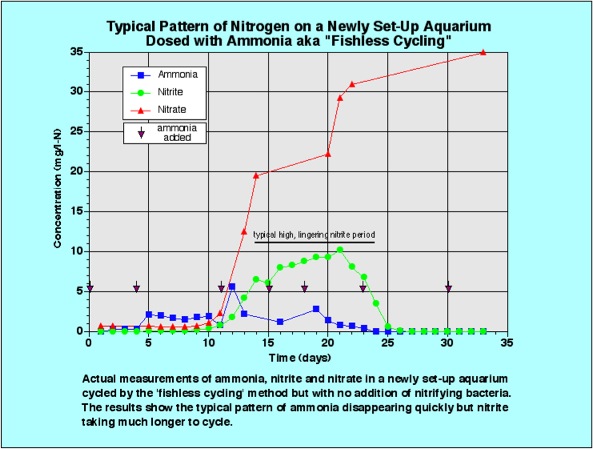
Adding fish before cycling causes 90% of new tank deaths. This humane fishless method builds your bacterial colony before introducing life. You’ll save money on dead fish replacements and avoid emergency water changes.
How to Cycle in 28 Days (Without Fish)
- Day 1: Fill your tank with dechlorinated water. Add filter media and heater (set to 80°F). Dose pure ammonia (no surfactants!) to 2 ppm.
- Days 3-7: Test daily. When ammonia drops below 1 ppm, re-dose to 2 ppm. Nitrites will spike—do not panic, this is normal.
- Days 14-21: Nitrites rise then fall as nitrates appear. Continue dosing ammonia when levels drop.
- Day 28: Confirm success by dosing 2 ppm ammonia—it should read 0 after 24 hours. Perform a 70% water change.
Critical shortcut: Seed your filter with used media from a healthy tank. This slashes cycling time to 10-14 days. Never use store-bought “bacteria in a bottle”—they’re often ineffective.
Troubleshooting Cycle Failures
- Ammonia won’t drop? Your tank is too cold (<75°F) or you’re overcleaning filter media.
- Nitrites stuck at 5 ppm? Add a pinch of Seachem Stability to boost bacteria.
- Cloudy water? Ignore it—it’s harmless bacteria blooming. It clears when cycling completes.
Safe Stocking Guide: Best Fish for Your 25-Gallon Community Tank
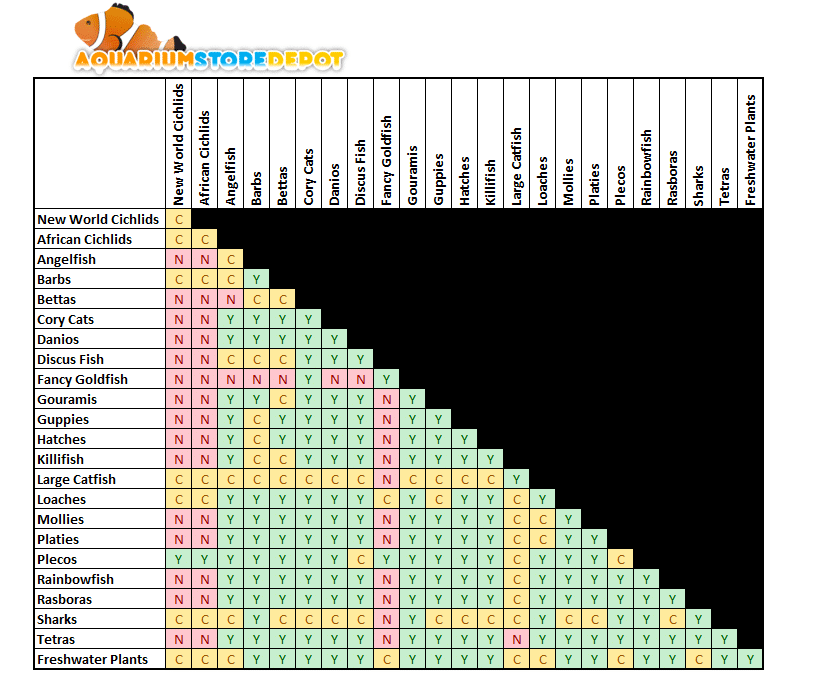
Overstocking causes 70% of water quality issues. That “1 inch per gallon” myth? Dangerous fiction. Real capacity depends on fish behavior and bioload. Here’s what actually works:
Proven 25-Gallon Stocking Combos
- Peaceful Community: 8 Ember Tetras + 6 Pygmy Corydoras + 1 Honey Gourami.
- Shrimp Showcase: 20 Neocaridina shrimp + 2 Nerite snails + Java Fern forest.
- Beginner-Friendly: 10 Celestial Pearl Danios + 8 Otocinclus + Anubias on driftwood.
Hard limits to avoid disaster:
– ❌ No Bala Sharks (grow to 14 inches!)
– ❌ No Common Plecos (outgrows tank in 6 months)
– ❌ Never mix bettas with fin-nippers like tiger barbs
Always quarantine new arrivals for 4 weeks—a single sick fish can wipe out your entire tank. Use drip acclimation: float the bag, then slowly add tank water over 60 minutes.
Weekly 25-Gallon Tank Maintenance: 30 Minutes to Crystal Clear Water
Consistency beats complexity. Spend just 30 minutes weekly to prevent 95% of problems. This routine keeps your 25-gallon aquarium setup thriving with minimal effort.
Your Maintenance Cheat Sheet
- Daily: Feed once—never more than fish eat in 2 minutes. Watch for gasping (sign of ammonia spike).
- Weekly:
- Vacuum gravel while changing 25% water (use a Python siphon to skip bucket hauling).
- Wipe algae with magnet cleaner before water change (less mess).
- Rinse filter media in removed tank water—never tap water (kills bacteria!).
- Monthly: Test water with API Master Kit. Replace 20% of filter media if clogged.
Pro tip: Keep a maintenance log. Note water parameters after each change—sudden nitrate jumps warn of overstocking before fish get sick.
Fix Cloudy Water and Algae in Your 25-Gallon Aquarium Fast
New tank syndrome hits nearly every beginner. Don’t panic—these fixes work in 72 hours when applied correctly.
Immediate Solutions for Common Emergencies
- Cloudy white water: Caused by bacterial bloom during cycling. Do nothing—it clears in 3-5 days. Never change more than 25% water or clean filter.
- Green water algae: Turn off lights for 3 days. Add 5-6 fast-growing plants like hornwort to outcompete algae.
- Fish gasping at surface: Test ammonia immediately. If >0.5 ppm, do 50% water change + add Seachem Prime.
Prevention is cheaper than cure:
– Feed every other day for first 2 months
– Keep live plants covering 40% of substrate
– Use alder cones to inhibit algae (1 cone per 10 gallons)
Build a 25-Gallon Aquarium for Under $300: Budget Shopping Guide
You don’t need to break the bank. Smart shopping gets you a complete 25-gallon aquarium setup for $250—not $700+. Here’s how to spend wisely:
Where to Splurge (and Save)
| Item | Budget Pick | Why It Wins |
|---|---|---|
| Tank Stand | DIY plywood stand ($40) | Supports weight safely; customize height |
| Filter | Used AquaClear 50 ($25) | Same reliability as new; check for cracks |
| Substrate | Pool filter sand ($8) | Inert, plant-friendly, no pH swings |
| Plants | Propagate cuttings | Free! Ask local fish stores for trimmings |
Critical savings hack: Buy fish from breeders on Facebook groups—they’re healthier than pet store fish and cost 50% less. Start with 5 neon tetras ($1 each) instead of expensive discus.
25-Gallon Saltwater Setup: Is a Nano Reef Right for You?
While freshwater suits 90% of beginners, some dream of coral. A 25-gallon nano reef can work—but only if you accept these hard truths.
Freshwater vs. Saltwater Reality Check
- Cost: Saltwater needs RO/DI water ($150 system), protein skimmer ($100+), and live rock ($10/lb). Budget $500+ vs. $250 for freshwater.
- Stability: Nano tanks crash faster—daily salinity checks are mandatory. One missed water change spikes toxins.
- Stocking: Max 2 fish (e.g., clownfish pair). No tangs or angels—they outgrow space in months.
Verdict: Beginners should master freshwater first. If committed to saltwater, start with a FOWLR (Fish Only With Live Rock) tank—skip corals until you’ve maintained stable parameters for 6 months.
Final Note: Your 25-gallon aquarium setup success hinges on patience during cycling and disciplined maintenance—not expensive gear. Stick to the 28-day fishless cycle, avoid overstocking, and perform weekly 25% water changes. In 3 months, you’ll have a self-sustaining ecosystem that rewards you daily. Ready to level up? Research “aquascaping with driftwood” next—your tank’s visual transformation will amaze you. Remember: the most beautiful aquariums weren’t built in a day, but they were built one careful step at a time.